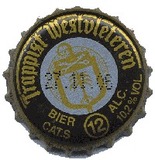
Westvleteren 12
Widely considered the world's greatest beer. Brewed by Cistercian monks at Saint Sixtus Abbey. Dark fruit, chocolate, caramel with a long warming finish. Sold only at the abbey gate — you must phone ahead to reserve a case.
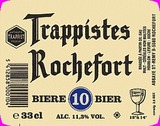
Rochefort 10
Rich plum, raisin, dark chocolate, and yeast spice. Brewed by Trappist monks since 1595. One of the most complex and celebrated ales ever made.
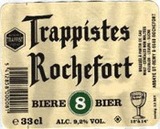
Rochefort 8
Dark fruit, toffee, and rich malt. More accessible than Rochefort 10 but equally complex. A Trappist benchmark that any serious beer drinker must experience.
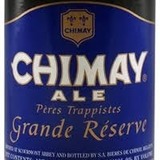
Chimay Grande Réserve (Blue)
Rich, malty, fruity with roasted notes. Chimay's flagship and most celebrated expression, first brewed in 1948. Widely available yet consistently extraordinary.
Orval
Dry-hopped and wild yeast-conditioned with Brettanomyces. Funky farmhouse complexity unique among Trappists. Changes dramatically with age — fresh is floral, aged is barnyard gold.
Westmalle Tripel
The original Tripel — golden, fruity, spicy. The benchmark for the entire style. First brewed in 1934, widely imitated but never surpassed by non-Trappist breweries.
La Trappe Quadrupel
Dried fruit, caramel, and warming alcohol. The only Dutch Trappist brewery, founded in 1884. Rich and indulgent, oak-aged versions released periodically.
Leffe Blonde
Soft fruit, vanilla, and gentle spice. Belgium's most widely distributed abbey ale — the gateway to Belgian beer for millions worldwide. Brewed under license from Abbaye de Leffe since 1952.
Duvel
"Devil" in Flemish — bone dry, brilliantly effervescent, deceptively strong golden ale with fruit and spice. The most important Belgian non-Trappist ale. Requires a specific tulip glass to appreciate fully.
Delirium Tremens
Pink elephant label on a distinctive ceramic bottle. Complex spice, fruit, and yeast character. Three different yeasts used in fermentation. Named after the medical condition caused by alcohol withdrawal.
Guinness Draught
The world's most iconic stout. Nitrogen-carbonated, roasted barley, coffee, and cream. 1.8 billion pints poured annually across 150 countries. The two-part pour ritual takes exactly 119.5 seconds.
Founders KBS (Kentucky Breakfast Stout)
Coffee, chocolate, oak, and bourbon. Aged in bourbon barrels for a year. One of America's most sought-after barrel-aged stouts — lines form at bottle shops on release day every spring.
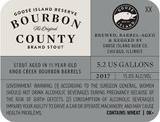
Bourbon County Brand Stout
Pioneered the bourbon barrel-aged stout category. Chocolate, vanilla, whiskey oak. Released annually on Black Friday — "Stout Day" — with collectors camping outside bottle shops nationwide.
AleSmith Speedway Stout
Coffee from Taylor Maid Farms and chocolate forward. Immensely full-bodied with a roasted finish that lingers for minutes. Considered one of the finest American imperial stouts.
Dark Lord Russian Imperial Stout
Only available on "Dark Lord Day" — an annual beer festival dedicated entirely to this one release. Coffee, molasses, toffee. Barrel-aged variants trade at extraordinary prices.
Bell's Expedition Stout
Brewed since 1994 — one of America's original imperial stouts. Coffee, roasted malt, and dried fruit character that improves dramatically with years of cellaring.
Beer Geek Breakfast
Brewed with hand-picked single-origin coffee. Oatmeal gives a silky body, espresso dominates the palate, dark chocolate rounds the finish. Mikkeller's most celebrated recipe.
Fuller's London Porter
Classic English porter with dark fruit, chocolate, and roasted malt. Champion Beer of Britain winner. A beautiful everyday dark beer that connects to porter's 18th-century London origins.
Left Hand Milk Stout Nitro
Nitrogen-widget bottle for an at-home draught pour. Silky smooth, coffee, chocolate, and milk sugar sweetness — tastes like a liquid dessert. Pioneered the nitro bottle format in craft beer.
Young's Double Chocolate Stout
Real chocolate and chocolate essence — not artificial flavoring. Sweet, rich, and dessert-like. A pioneering use of actual chocolate in brewing. Outstanding poured over vanilla ice cream.
Pliny the Elder
The benchmark DIPA that defined the American double IPA style. Immense floral, citrus, and pine hop character with a clean, dry bitterness. Fresh is best — hop aromas fade within weeks of canning.
Pliny the Younger
Released once a year in February. Lines form days in advance. Citrus, pine, and resin with extraordinary balance for 11% ABV. The most anticipated beer release in American craft brewing history.
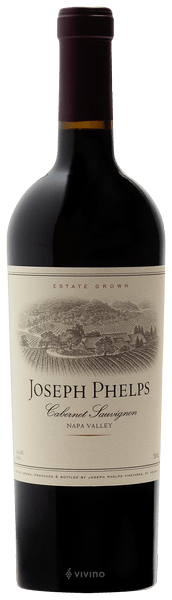
Julius
Hazy, juicy, orange-citrus NEIPA that consistently tops Untappd's global rankings. Sold only at the brewery. People drive hours and queue for hours to fill growlers of this legendary beer.
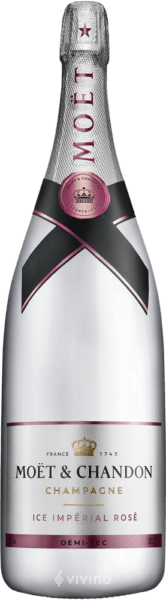
WeldWerks Juicy Bits
Consistently one of Untappd's highest-rated beers globally. Pineapple, mango, and passion fruit with a silky-smooth body. Citra and Mosaic hops at extraordinary dry-hop rates.
Heady Topper
"Drink from the can." Resinous, tropical, and massively hopped without harsh bitterness. Defined the American craft beer cult can movement. Distribution limited to Vermont — pilgrimage required.
Bell's Two Hearted Ale
Named after Hemingway's short story set on Michigan's Two Hearted River. Made entirely with Centennial hops — grapefruit, floral, and beautifully balanced. America's Best Beer (American Homebrewers Association) multiple years running.
Dogfish Head 120 Minute IPA
Continuously hopped for 2 full hours. The most extreme IPA commercially produced. Hop bomb layered over caramel malt that borders on barleywine territory. ABV varies by batch — best treated as a sipping beer.
Stone IPA
The quintessential West Coast IPA. Aggressive pine, citrus, and a dry, assertively bitter finish. Stone helped define the confrontationally hoppy California IPA aesthetic. An essential American craft beer milestone.
Jai Alai IPA
Florida's most celebrated IPA. Orange peel, caramel, citrus, and tropical fruit in a beautifully balanced package. Named after the traditional Basque sport with Florida roots. Six-hop blend for complexity.
Lagunitas IPA
Citrus, pine, and earthy hops with a rich malt backbone. One of America's most recognized craft IPA brands — the label text alone is worth reading for a full minute.
Pilsner Urquell
The original pilsner, brewed since 1842. Soft Bohemian water, Saaz hops, and Moravian barley — golden, crisp, gently bitter. Every pilsner on earth descends from this brewery.
Czechvar (Budvar)
The "real" Budweiser — lagered for 90 days under the Bohemian tradition. Moravian barley and Saaz hops. State-owned brewery that has fought AB InBev over the Budweiser trademark for over a century.
Augustiner Helles
The favorite of Munich's most discerning beer drinkers. Soft, round, subtly malt-forward without sweetness. Munich's oldest independent brewery (1328). The Helles style at its purest.
Weihenstephaner Original Helles
Brewed at the world's oldest brewery, documented since 1040 AD on a Bavarian hilltop. Clean, bready, and floral with Hallertau hops. One of the most consistent lagers in existence.
Asahi Super Dry
Invented the "dry beer" category in 1987. Extremely clean, crisp, zero residual sweetness — the Karakuchi (辛口) style. Japan's best-selling beer and one of the world's most recognized lager brands.
Sapporo Premium
Japan's oldest beer brand (1876). Rice-adjunct lager with a clean, slightly sweet, subtly malty profile. The silver can is one of the most iconic beer packages in Asia.
Modelo Especial
Light, crisp, mild hop bitterness with a clean grain finish. America's #1 imported beer since 2023, overtaking Bud Light as the top-selling beer brand overall. A cultural phenomenon.
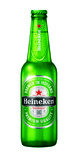
Heineken Lager
The world's most recognized beer brand, brewed in 192 countries. Clean, slightly bitter with "A-Yeast" giving a faint fruity note. The green bottle and red star are among the most iconic consumer product designs ever created.
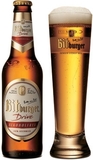
Bitburger Premium Pils
"Bitte ein Bit" — crisp, dry, excellent hop bitterness from Hallertau hops. Germany's export pilsner benchmark. Brewed to Reinheitsgebot purity law since 1817. The gold standard for Northern German pilsner style.
Brooklyn Lager
Dry-hopped Vienna-style lager. Caramel malt backbone with floral Cascade hops — a signature combination. NYC's defining craft beer since 1988. Label designed by Milton Glaser, who created the I ♥ NY logo.
Sierra Nevada Pale Ale
The beer that launched American craft brewing. Cascade hops — then considered exotic — providing floral, citrus, and piney character. First brewed in 1980 by Ken Grossman in a home-built brewery. The most important American craft beer ever made.
Fuller's ESB
The original ESB — a category Fuller's invented. Marmalade, toffee, and earthy hops in perfect balance. Champion Beer of Britain multiple times. The entire ESB category worldwide takes its name from this beer.
Anchor Steam Beer
The original American craft beer, revived by Fritz Maytag in 1965 from near-closure. Caramel malt, Northern Brewer hops, and unique warm fermentation with lager yeast. Created the California Common style — only one brewery is permitted to call it "Steam Beer."
Fat Tire Amber Ale
Inspired by Jeff Lebesch's Belgian cycling trip. Biscuit malt, earthy hops, and a slightly sweet finish. Helped define the Rocky Mountain craft beer scene and remains one of America's most recognized amber ales.
Samuel Adams Boston Lager
The beer that proved Americans wanted flavor. Jim Koch launched this in 1984 using his great-great-grandfather's recipe. Hallertau Mittelfrueh hops give a noble floral character that set craft beer apart from mainstream lagers.
Fuller's London Pride
"London's favorite" — malt-forward with toffee, biscuit, and earthy hops. A perfectly balanced session bitter that has been the backbone of London pub culture since 1959. Outstanding on cask.
Old Speckled Hen
Toffee, caramel, and earthy hop character. Named after a speckled MG car at the Abingdon factory — "Old Speckled 'Un" in local dialect. Brewed to celebrate the MG car company's 50th anniversary in 1979.
Beavertown Gamma Ray
London's favorite hoppy pale. Mango, grapefruit, and pine from American hops on a clean malt backbone. Space-themed label art became one of craft beer's most recognisable visual identities.
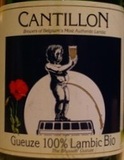
Cantillon Gueuze 100% Lambic Bio
Spontaneously fermented, blended from 1, 2, and 3-year lambics. Tart, funky, vinous, and barnyard. The world's most celebrated sour beer. Jean-Pierre Van Roy's Cantillon is the Domaine de la Romanée-Conti of the beer world.
Cantillon Kriek 100% Lambic
Whole Schaerbeek cherries refermented into lambic for 4–6 months. The stones give an almond note to the tart cherry and brett funk. Nothing like commercial "cherry beer" — this is sour, complex, and magnificent.

3 Fonteinen Oude Geuze
Arguably surpasses Cantillon in the view of many gueuze aficionados. Exceptional balance of fruit, acid, and funk. Armand Debelder's blending genius produces extraordinary complexity from purchased lambic wort.
Rodenbach Grand Cru
Aged 2 years in massive oak foeders (vats). Tart cherry, oak, and vinegar-adjacent complexity. The greatest Flanders red. Michael Jackson called it "the Burgundy of Belgium." Unfiltered and unpasteurised.
Tilquin Oude Gueuze
Newest of the great gueuze blenders, founded 2009 by Pierre Tilquin. Uses lambic from Boon, Cantillon, Girardin, and Lindemans. Complex, acidic, and refined — already considered a classic.
Boon Oude Geuze Mariage Parfait
"Perfect Marriage" — blended only from 3-year-old lambics. Intensely complex, dry, and effervescent. Higher ABV than standard gueuze gives additional body and warmth to the acid and funk.
Russian River Supplication
Sour brown ale aged with Pinot Noir barrel character, whole sour cherries, and Brettanomyces. Incredibly complex — one of America's greatest wild ales and a direct homage to Belgian tradition.
Lindemans Framboise
Raspberry lambic — slightly sweetened for accessibility. Tart and fruity, the perfect gateway into Belgian sours for newcomers. Low ABV makes it easy to enjoy with food. More authentic versions exist but this one introduced millions to the style.
Hoegaarden Original White
Pierre Celis single-handedly revived the witbier style from extinction in 1966. Coriander, dried orange peel, and hazy wheat. The definitive witbier template. Served cloudy in a hexagonal glass with an orange slice.
Weihenstephaner Hefeweissbier
World's oldest brewery's hefeweizen. Banana, clove, soft wheat, and creamy texture from the unique Weihenstephan yeast strain. The most imitated hefeweizen recipe in history. Brewed to the exacting Bavarian Hefeweizen tradition.
Erdinger Weißbier
The world's best-selling wheat beer brand. Classic banana and clove profile, easy-drinking, with a naturally cloudy appearance. The iconic paper label and swing-top bottle made it synonymous with Bavarian wheat beer worldwide.
Allagash White
America's definitive witbier. Coriander, Curaçao orange peel, and oats in a beautifully hazy, refreshing package. Brewed since 1995 and unchanged — a lesson in how to take a Belgian style and make it your own.
Schneider Weisse Aventinus
Dark wheat doppelbock — dark fruit, chocolate, clove, and banana at 8.2% ABV. Germany's oldest wheat doppelbock, brewed since 1907. The weizenbock style at its finest; warming, complex, and deeply satisfying.
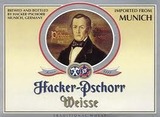
Paulaner Hefe-Weißbier
Classic Munich style with banana-forward character supported by clove and vanilla notes. Paulaner is the official Oktoberfest wheat beer. One of the most recognisable German beer brands globally.
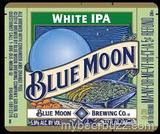
Blue Moon Belgian White
America's most popular wheat beer. Valencia orange peel, oats, and coriander. Always served with an orange slice. Despite Coors ownership, it introduced millions of Americans to Belgian-style wheat beer and remains genuinely excellent.
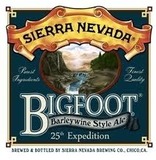
Sierra Nevada Bigfoot
Massively hopped barleywine with intense resinous hops balanced by rich caramel malt. Released every January and ages beautifully for 5+ years. The hop intensity mellows over time, revealing layers of fruit and toffee.
Dogfish Head 90 Minute IPA
Continuously hopped for 90 minutes. Citrus, caramel, and resinous hops in a beautifully integrated imperial package. Sam Calagione's vibrating keg hop-dosing invention produced one of America's most celebrated high-ABV IPAs.
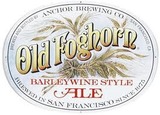
Anchor Old Foghorn
One of America's first barleywines — dry-hopped, rich, and warming. Made with 100% barley malt and Cascade hops in a parti-gyle brewing method. The blueprint for American barleywine.
Samuel Adams Utopias
The world's strongest commercially available beer. Aged in bourbon, brandy, sherry, and Cognac barrels for years. Non-carbonated — consumed like a spirit. Illegal in several US states due to ABV laws. The copper pot-still bottle sells for $240 biannually.
Samichlaus Classic
Once the world's strongest beer (1979–1994). Brewed on December 6th (St. Nicholas Day), lagered for 10 months, and released the following December 6th. Rich, malty, and warming with dark fruit and caramel.
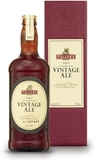
Fuller's Vintage Ale
Annual vintage release with a different recipe each year. Complex, warming, and designed to improve with cellaring. Each vintage uses a different combination of hops, malts, and fermentation character. Fruit, toffee, and warming alcohol.
Firestone Walker Parabola
100% bourbon barrel-aged imperial stout. Vanilla, caramel, and dark chocolate with whiskey oak backbone. Annual limited release that develops extraordinary complexity with age. One of California's finest barrel-aged offerings.
Nøgne Ø Imperial Stout
Norway's most celebrated stout. Roasted malt, dark chocolate, and liquorice character. Pioneer of Scandinavian craft brewing — proved that world-class stouts could be made far beyond the British Isles and America.
Trillium Congress Street IPA
Tropical fruit-forward hazy IPA from one of New England's most revered breweries. Mango, papaya, and citrus in a beautifully balanced package. Trillium's queue on release mornings is a Boston institution.
Lawson's Finest Sip of Sunshine
Tropical, juicy Vermont-style double IPA. Simcoe and Citra hops create pineapple, grapefruit, and passion fruit character. Sean Lawson's small-batch approach produces extraordinary consistency despite near-impossible demand.

Founders Centennial IPA
Floral, citrusy, and moderately bitter. One of the most balanced American IPAs — the kind of beer that converts lager drinkers to craft beer. Named after the Centennial hop that dominates the dry-hop charge.
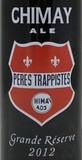
Chimay Première (Red)
First brewed in 1862 and has remained virtually unchanged. Fruity, slightly bitter with light roast character. The most approachable of Chimay's trio and a perfect introduction to Trappist beer. Excellent with aged cheese.
New Belgium La Folie
Oak-aged sour brown ale inspired by Belgian tradition. Complex sour cherry, plum, oak, and a hint of vinegar. America's answer to Rodenbach. Brewed since 1997, aged in oak foeders for 1–3 years.
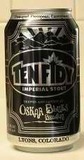
Oskar Blues Ten FIDY
One of the first imperial stouts in a can — revolutionary when released in 2008. Massive chocolate and coffee character with molasses sweetness. Proved definitively that the can format could showcase world-class craft beer.
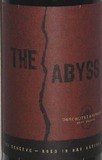
Deschutes The Abyss
Aged in bourbon, wine, and other barrels — with liquorice, molasses, vanilla, and oak notes. Annual release with varying barrel profiles. One of the Pacific Northwest's most celebrated barrel-aged stouts.
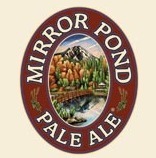
Deschutes Mirror Pond Pale Ale
Cascade hops and biscuity malt. Oregon craft beer's most beloved session pale. Named after Mirror Pond on the Deschutes River in Bend — a perfect beer for the Pacific Northwest outdoors lifestyle.
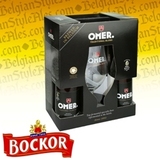
Pauwel Kwak
Served in a unique coach glass in a wooden stand — the coachman's glass that could be hung from the carriage. Caramel, fruit, and spice. Named after 19th-century innkeeper Pauwel Kwak who invented the glass.
Deus Brut des Flandres
Re-fermented in champagne bottles by champagne houses in Épernay. Golden, extraordinary effervescence, deeply complex. Sold in a champagne-style bottle. One of the most unusual and remarkable beers in existence.
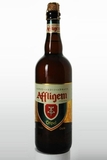
Affligem Tripel
Honey, citrus, and spice from one of Belgium's oldest abbey brewing sites (1074 AD). Brewed by Heineken since 2000 but retaining its authentic recipe and character. An accessible entry point into Tripel-style ales.
Goose Island Sofie
Wine barrel-aged saison with Brettanomyces — lemon, oak, yeast, and refreshing tartness. Named after brewmaster Brett Porter's grandmother. Goose Island's barrel program is among America's most respected.
Firestone Walker Union Jack IPA
Citrus, tropical fruit, and a clean dry finish. Among America's finest West Coast IPAs. Multiple World Beer Cup and GABF gold medals. Named in a nod to co-founder Adam Firestone's British heritage.
Bell's Kalamazoo Stout
Bell's first beer, brewed since 1985 when Larry Bell used a 15-gallon soup pot. Roasted malt, coffee, and chocolate. A Michigan institution and proof that session-strength stouts can be deeply satisfying.
Maredsous 10 Tripel
Fruit, spice, and honey from a Benedictine abbey in the Namur province. Brewed under license by Duvel Moortgat since the 1960s. Golden, warming, and complex — the abbey's premium expression.
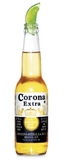
Corona Extra
The lime-wedge ritual; light, refreshing, and globally iconic. The world's most recognized beach beer. The clear bottle — technically a flaw for light-struck hops — became a marketing asset when paired with lime. Mexico's most exported product.
Stella Artois
Saaz hops, clean bitterness, sold in 80+ countries. First brewed as a Christmas beer in 1926. The nine-step "Pouring Ritual" is one of the most elaborate bar service protocols for any lager brand.
Kirin Ichiban
"First press" — uses only the first wort run through the mash for exceptional clarity and softness. Round, soft malt character with subtle hop bitterness. The cleanest expression of the Japanese lager tradition.
Rodenbach Classic
The entry point to Flanders red ales. Tart cherry, light oak, and refreshing acidity. A blend of young ale and 2-year foeder-aged ale. Belgium's most quenching beer — often described as "the burgundy of Belgium."
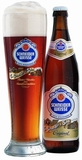
Schneider Weisse Original
Munich's last traditional hefeweizen house, brewing since 1872. More malt and spice-forward than most hefeweizens. The yeast strain is uniquely their own. A richer, deeper style of Bavarian wheat beer that rewards the serious drinker.
Dogfish Head Midas Touch
Recreated from 2,700-year-old chemical residue found in drinking vessels in King Midas's tomb. Barley, honey, Muscat grapes, and saffron. Brewed with biomolecular archaeologist Patrick McGovern. Unique in the history of brewing.
Boddingtons Pub Ale
Nitrogen-dispensed — "The Cream of Manchester." Light bitterness, golden color, velvety head. The widget can revolutionised the canned ale market. Oasis drank it; it soundtracked Britpop Manchester.
Great Divide Hibernation Ale
Chocolate, toffee, and earthy hops. One of America's great winter warmers. Released every autumn and practically mandatory drinking when Denver's first snow arrives. Ages beautifully for 3–5 years.
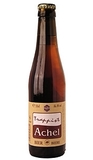
Achel Extra Bruin
Plum, fig, chocolate, and warming alcohol from Belgium's smallest Trappist brewery. Only available on draught at the abbey itself. Recently lost its official Trappist designation but remains made by monks.
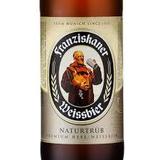
Franziskaner Hefe-Weisse
Smooth, lightly banana and clove. Munich's other iconic wheat beer label — the monk with the wheat sheaf. Reliable, approachable, and widely exported. One of the best hefeweizens for food pairing.
Guinness Foreign Extra Stout
Stronger and more bitter than Draught — closer to the original Guinness recipe created for export in 1801. Dark fruit, roasted barley, coffee, and a pronounced bitterness. Still brewed in Nigeria, Jamaica, Malaysia — adapting to local water and ingredients.
Goose Island IPA
Citrus and floral hops with a clean dry finish. One of America's first widely distributed craft IPAs — proved that bold hop character could sell nationally. Still the most popular craft IPA in the Chicago metro area.
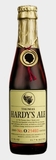
Thomas Hardy's Ale
Bottled vintage since 1968, designed to be aged up to 25 years. Fruit, toffee, and rum character that transforms with age. Each label quotes a passage from Thomas Hardy's writing about "Dorchester Ale." A genuine collector's beer.
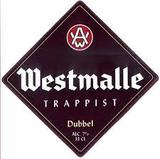
Westmalle Dubbel
Dark, complex, and rich. First brewed in its current form in 1926 and regarded as the original Dubbel. Dark fruit, caramel, chocolate, and a dry finish. The abbey that gave us both the Dubbel and Tripel style deserves two spots on this list.