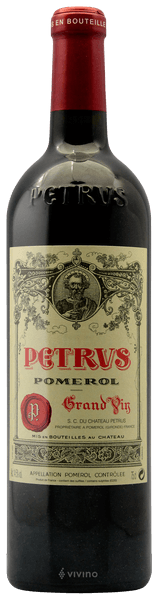
Pétrus
The world's most coveted Merlot, grown on a near-solid plug of blue clay in Pomerol. Impossibly concentrated black fruit, truffle, and iron — aged only in new French oak. Production is tiny; prices are astronomical.
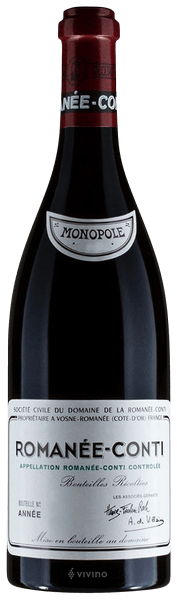
Romanée-Conti
The single most famous vineyard on earth. 1.8 hectares producing fewer than 6,000 bottles per year. Silky, ethereal Pinot Noir with a complexity no other wine quite matches.
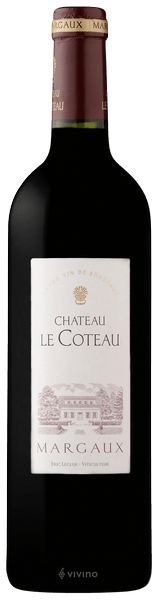
Château Margaux
The most feminine of the First Growths — violets, cassis, and tobacco on a frame of impossibly fine tannins. The 1900 and 1990 vintages are among the most celebrated bottles ever produced.
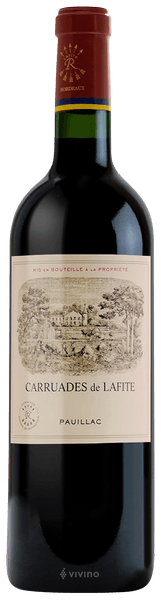
Château Lafite Rothschild
Aristocratic Pauillac with pencil shavings, cedar, and blackcurrant. Named First Growth at the 1855 classification and never looked back. Among the most collected wines in Asia.
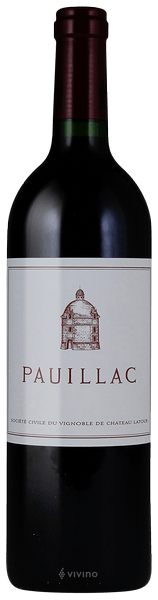
Château Latour
The most powerful and structured of the First Growths. Deep gravelly soils on the Gironde produce a wine built for decades of cellaring. The 1961 is arguably the greatest Bordeaux ever made.
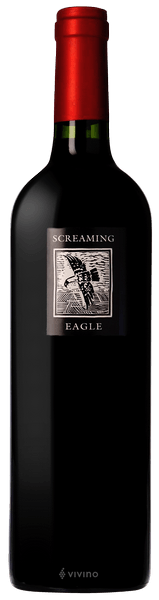
Screaming Eagle
The cult wine that launched a thousand waiting lists. Fewer than 500 cases per year from a 57-acre estate. Lush, precise, and almost impossibly concentrated blackcurrant and dark chocolate.
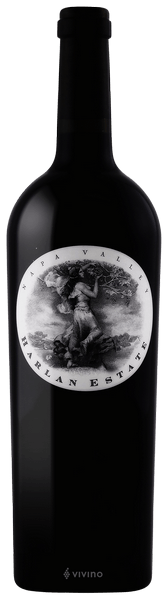
Harlan Estate
Hillside Cabernet of extraordinary depth and precision. Multiple 100-point scores from Robert Parker. Dense and brooding in youth; transcendent after two decades of cellaring.
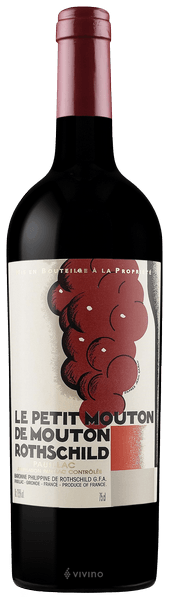
Château Mouton Rothschild
Famously promoted to First Growth in 1973, the only reclassification in Médoc history. Known for opulent cassis, tobacco, and iconic artist-label bottles by Picasso, Dalí, and Warhol.
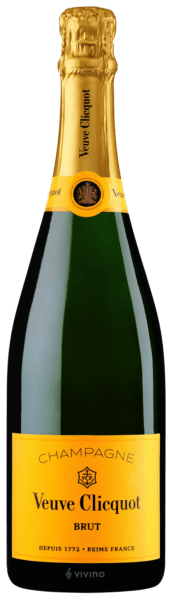
La Tâche
DRC's largest monopole at 6 hectares. More structured and earthy than Romanée-Conti itself, with a spice-driven complexity that can take 20+ years to fully open.
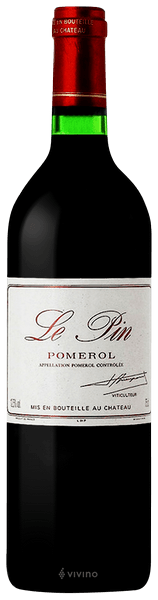
Le Pin
Just 2.2 hectares produce one of Bordeaux's rarest and most expensive wines. Seductively lush and opulent — sometimes called the "garage wine" that launched the entire garagiste movement.
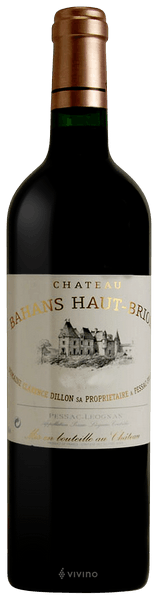
Château Haut-Brion
The only non-Médoc First Growth and the oldest of the five. Smoky, earthy, and savoury — a distinct terroir character unlike anything else in Bordeaux.
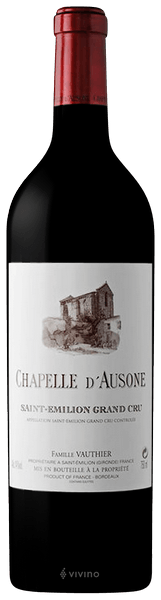
Château Ausone
Named after the Roman poet Ausonius who supposedly owned the land. From just 7 hectares of limestone plateau, it produces one of Bordeaux's most mineral and age-worthy wines.
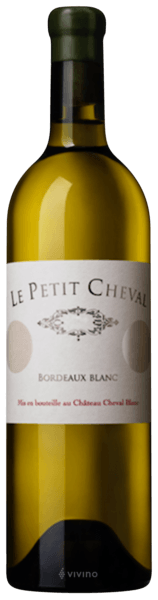
Château Cheval Blanc
Unusually high Cabernet Franc gives Cheval Blanc a plush, velvety texture with exotic spice. The 1947 is widely regarded as the greatest wine ever made.
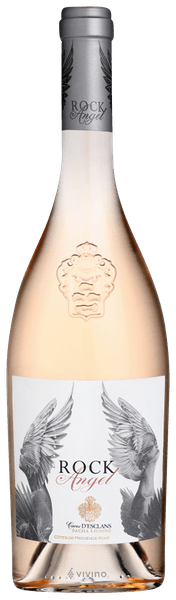
Opus One
The original Franco-Californian collaboration between Robert Mondavi and Baron Philippe de Rothschild. Bordeaux structure meets Napa ripeness in a wine of consistent, polished elegance.
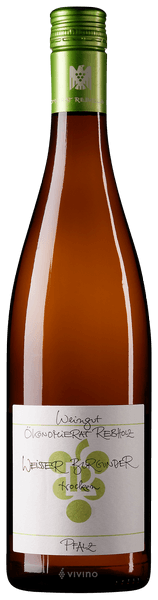
Richebourg
One of Burgundy's grandest and most voluptuous Grand Crus. Full-bodied by Pinot standards, with remarkable richness and depth that ages magnificently for 30+ years.
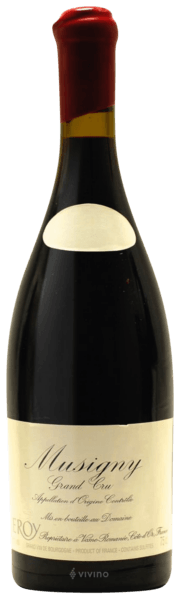
Musigny
Biodynamically farmed, impossibly low-yielding vines producing one of the most coveted bottles in all of wine. Hauntingly perfumed with rose petal, earth, and silky red fruit.
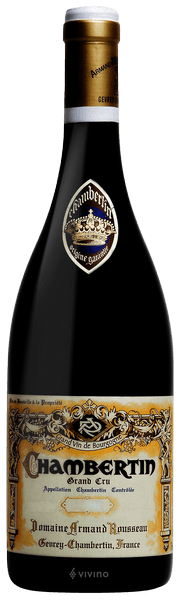
Chambertin
Napoleon's favorite wine. Rousseau's rendition is powerful and austere in youth, evolving over decades into something of majestic complexity and vinous grandeur.
Le Montrachet
The world's greatest white wine vineyard, straddling two villages. DRC's portion — just 0.68 ha — produces a wine of mineral intensity, hazelnut cream, and seemingly endless length.
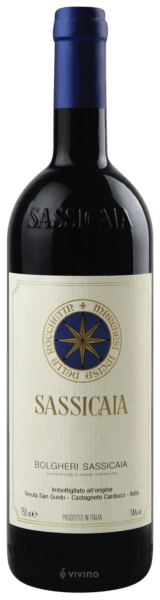
Sassicaia
Italy's first Super Tuscan and still its greatest. Inspired by Bordeaux but rooted in Tuscan soil — iron, herbs, and cassis wrapped in fine-grained tannins. The 1985 scored 100 points from Parker.
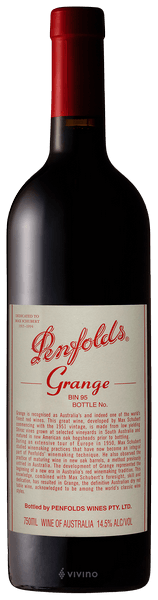
Penfolds Grange
Australia's most iconic wine, first made by Max Schubert in 1951 against management wishes. A rich, brooding Shiraz with dark fruit, chocolate, and tar that ages for 50+ years.
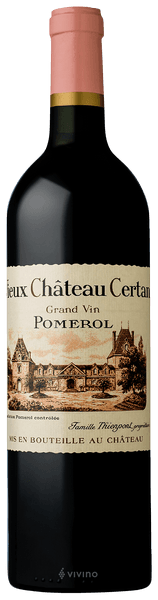
Vieux Château Certan
Pomerol's answer to Pétrus at a fraction of the price. Higher Cabernet Franc gives more elegance and structure. Outstanding in great vintages and arguably undervalued.
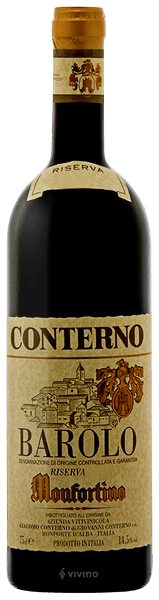
Barolo Monfortino Riserva
The king of Barolo. Made only in exceptional vintages after at least 7 years ageing. Tar, roses, dried cherry, and iron — a wine that demands patience but rewards it like no other.
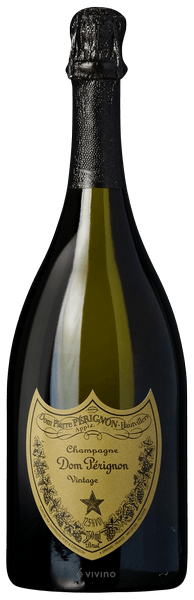
Dom Pérignon
The world's most recognized prestige cuvée. Only produced in declared vintages, each bottling showcasing the best of that year. Creamy brioche, citrus, and extraordinary finesse.
Château d'Yquem
The world's greatest dessert wine and the only estate classified Premier Cru Supérieur in Sauternes. Concentrated apricot, honey, and saffron with a minerality that defies its sweetness. Ages for 100+ years.
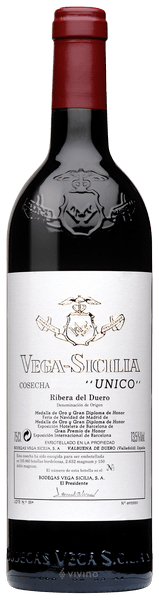
Vega Sicilia Único
Spain's most prestigious wine and one of Europe's greatest estates. Released only after 10+ years in wood and bottle. Extraordinary complexity of dried fruit, vanilla, and leather.
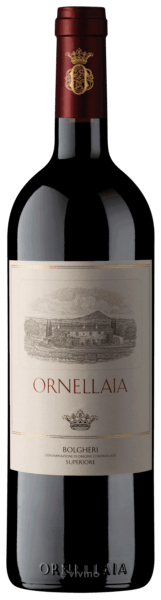
Ornellaia
Bolgheri's most opulent Super Tuscan. Rich and structured with blackcurrant, cedar, and herbs. A collaboration with artist Lukas Cranach the Younger produced the label.
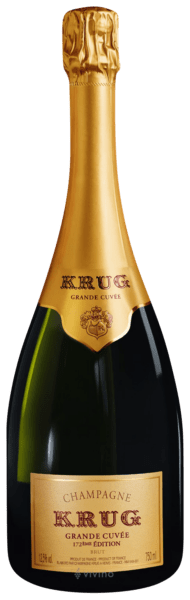
Krug Grande Cuvée
Assembled from up to 250 different wines from 10+ vintages, then aged 6+ years on lees. The most complex non-vintage Champagne: toasted brioche, hazelnut, and stone fruit with unmatched depth.
Échézeaux
A large Grand Cru with wildly varying quality across owners, but DRC's parcel consistently produces a wine of cherry, earth, and spice with 20+ year potential.
Masseto
Italy's answer to Pétrus. From a single vineyard of heavy clay, Masseto produces a powerful, plush Merlot with dark fruit, mocha, and extraordinary concentration. Now commands Pomerol-like prices.
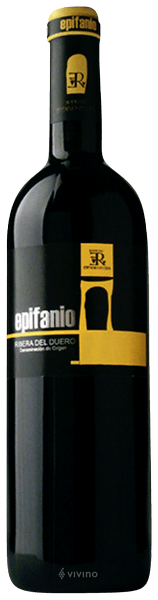
Pingus
Peter Sisseck's cult creation from ancient ungrafted Tempranillo vines. Dense, rich, and almost overwhelming in power. First vintage (1995) received 98 points from Parker and ignited Spanish wine's modern era.
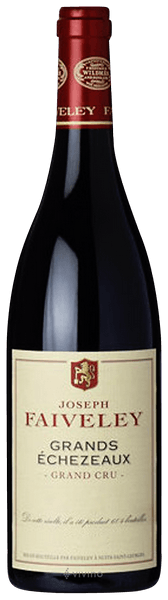
Grands Échézeaux
More structured than its sibling Échézeaux, with a firmer spine and darker fruit. Bridges the power of Richebourg with the finesse of La Tâche. Exceptional in warm vintages.
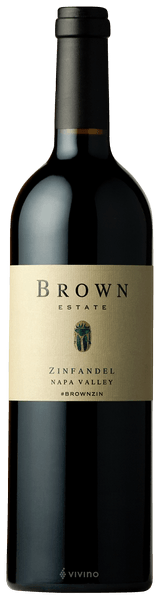
Dominus Estate
Christian Moueix — the man behind Pétrus — brings Bordelais sensibility to Napa. Restrained and Old World in style, with minerality and precision rarely found in California.
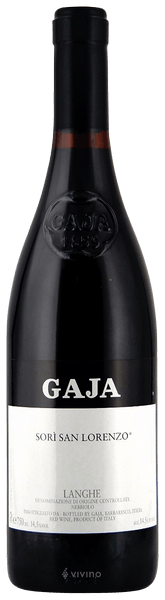
Barbaresco Sorì San Lorenzo
Angelo Gaja's flagship single-vineyard bottling, responsible for putting Barbaresco on the world stage. Floral, silky Nebbiolo of extraordinary elegance. Highly sought at auction.
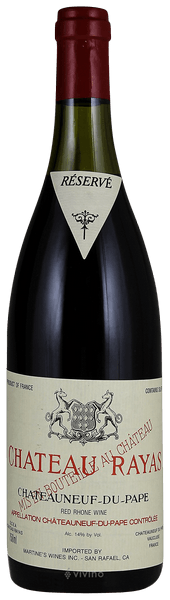
Château Rayas
The most enigmatic wine of the Southern Rhône. Hidden in sandy, shaded soils, the old Grenache vines produce a wine of haunting complexity — raspberry, white pepper, truffles, and iodine.
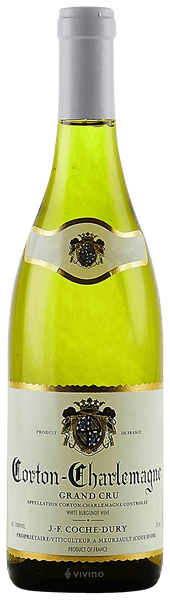
Corton-Charlemagne
The most sought-after white Burgundy outside DRC. Coche-Dury produces only ~300 cases, making each bottle a near-impossible find. Smoky, buttery, and seemingly infinite in length.
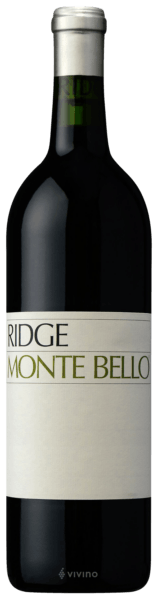
Monte Bello
First made in 1962, Ridge Monte Bello placed in the famous 1976 Paris Tasting rematch at 30 years. Earthy, structured, and remarkably age-worthy — more Bordeaux than California in spirit.
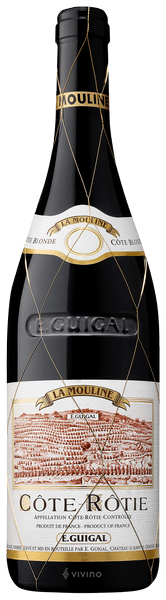
La Mouline
One of Guigal's legendary "La La" wines, aged 42 months in new oak. The small co-fermented Viognier addition gives extraordinary floral perfume to the powerful dark-fruited Syrah.
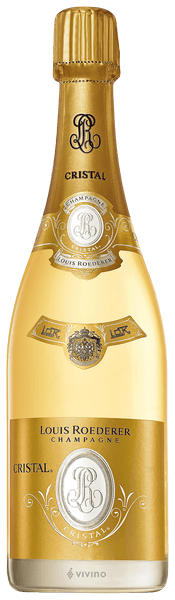
Cristal
Created for Tsar Alexander II of Russia in 1876 — hence the clear crystal bottle. Biodynamically farmed, entirely estate fruit. Precise, structured, and among the most consistent prestige cuvées in Champagne.
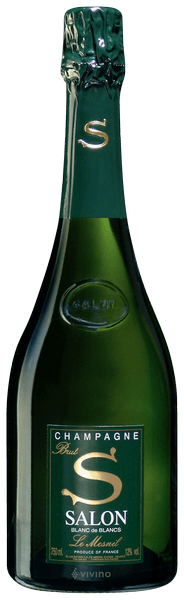
Salon Le Mesnil
The rarest of the great Champagnes, declared in fewer than 40 vintages since 1905. Single vineyard, single village, single grape, single vintage. Requires 10–20 years to reveal its extraordinary depth.
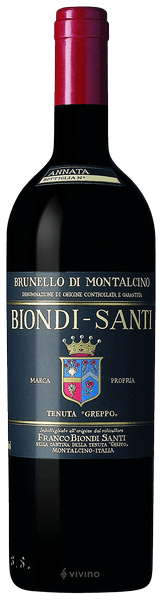
Brunello di Montalcino Riserva
The founding estate of Brunello di Montalcino — Ferruccio Biondi-Santi created the style in 1888. The Riserva, made only in exceptional years, is a monument of Italian winemaking needing decades to open.
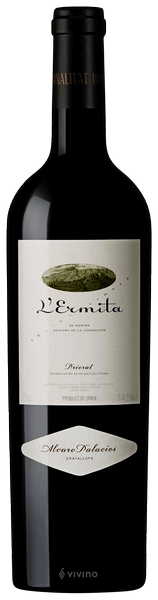
L'Ermita
Spain's most ambitious wine from the slate-and-quartz soils of Priorat. Ancient vine Grenache of stunning concentration and mineral intensity — helped put Priorat on the global map.
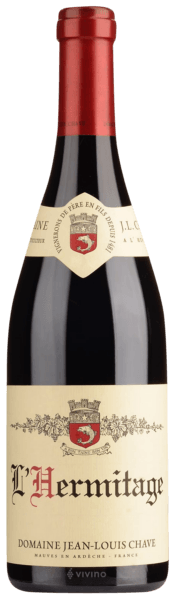
Hermitage Rouge
The benchmark for Hermitage. Assembled from multiple parcels on the famous granite hill, Chave's cuvée is a masterclass in blending — dark fruit, bacon, olive, and iron with 20-year longevity.
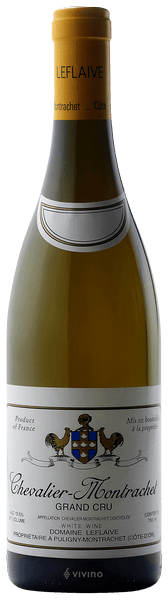
Chevalier-Montrachet
Biodynamically farmed and considered by many to surpass even Montrachet itself in years of high acidity. Breathtaking mineral precision, lemon oil, and chalk that unfolds over 15+ years.
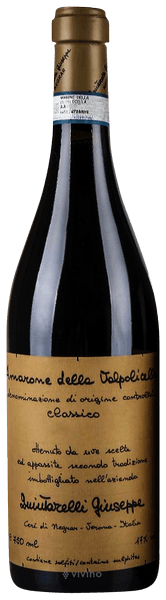
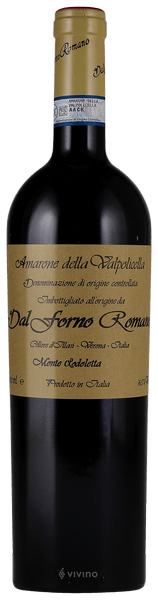
Amarone della Valpolicella
The greatest Amarone ever made. Dried grapes fermented over years, then aged for decades in large Slavonian oak. Released 8–10 years after harvest, it still needs another decade to show its full grandeur.
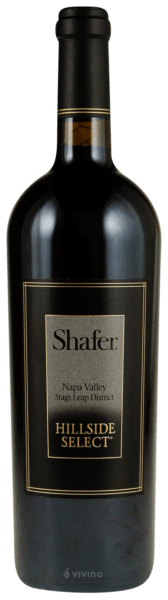
Hillside Select
One of Napa's most consistently excellent Cabernets. Steep hillside vines yield low, concentrated fruit — intense blackberry, violet, and espresso over silky, fine-grained tannins.
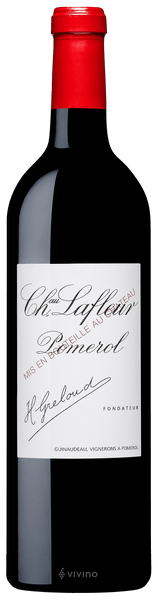
Château Lafleur
Just 4.5 hectares next to Pétrus. Higher Cabernet Franc than most Pomerol gives Lafleur more structure and savageness than its famous neighbor — and arguably as much complexity. Tiny production commands enormous prices.
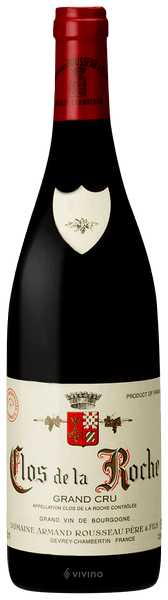
Clos de la Roche
The most powerful and structured of the Morey-Saint-Denis Grands Crus. Rousseau's parcel consistently produces a wine of great depth, mineral drive, and 25-year ageing potential.
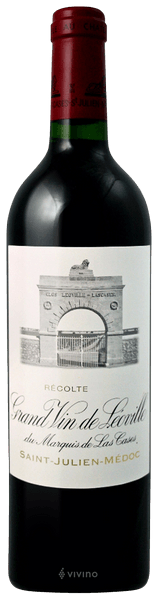
Château Léoville Las Cases
Often called the "super second" — regularly outperforming the First Growths in blind tastings. Firm, structured, and classically built for long cellaring. The Grand Enclos parcel borders Latour.
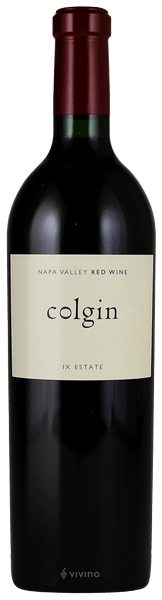
Colgin IX Estate
From Pritchard Hill's volcanic soils, one of Napa's most sought cult wines. Lavender, cassis, violets, and graphite with tremendous structure — regularly scores 98–100 points.
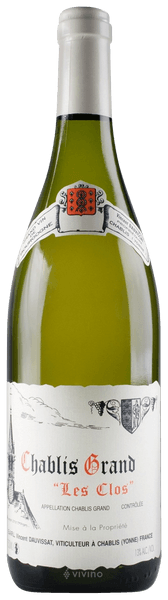
Chablis Les Clos
The greatest Chablis Grand Cru — Kimmeridgian limestone produces an oyster-shell, lemon-pith purity that no other appellation can replicate. Dauvissat's old-vine parcel is the pinnacle of the AC.
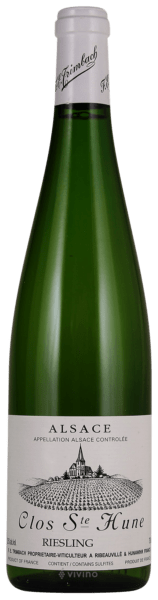
Riesling Clos Sainte Hune
The greatest dry Riesling in France and arguably the world. From a 1.67-hectare monopole within Rosacker Grand Cru. Bone-dry, petrol-tinged, and citrus-sharp — built to age 20–30 years.
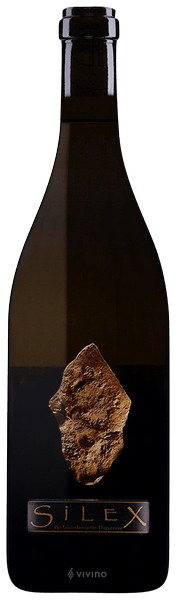
Pouilly-Fumé Silex
The "wild man of the Loire" Didier Dagueneau revolutionised Sauvignon Blanc. Silex (flint soils) produces a smoky, gunflint-laced white of haunting complexity, miles from generic Sauvignon.
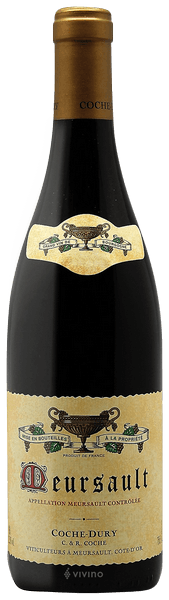
Meursault Perrières
Considered by many to be Grand Cru quality despite 1er Cru classification. Coche-Dury's tiny production fetches Montrachet-level prices at auction. Extraordinary mineral tension and creamy depth.
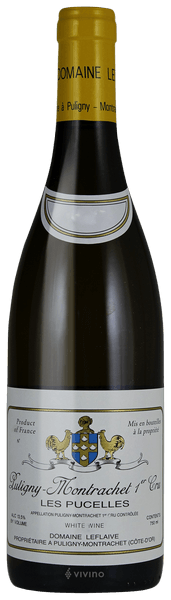
Puligny-Montrachet Les Pucelles
The crown jewel of Leflaive's 1er Cru holdings. Borders Chevalier-Montrachet and drinks at near-Grand Cru level. Biodynamically farmed vines produce a wine of stunning clarity and length.
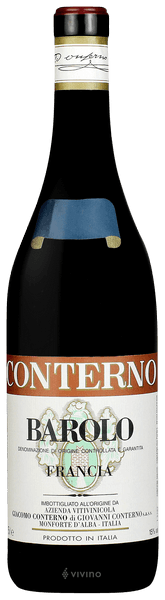
Barolo Cascina Francia
The "village" bottling from Conterno's prized monopole vineyard — the same parcel that produces Monfortino in great years. Austere, mineral Barolo of tremendous elegance and age-worthiness.
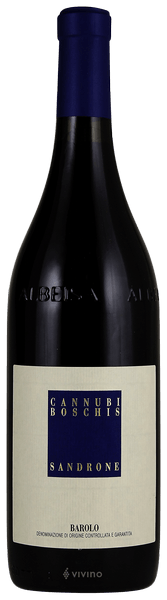
Barolo Cannubi Boschis
From the storied Cannubi hill, Sandrone's modern approach yields a velvety, perfumed Barolo without sacrificing complexity. Beautiful balance of rose petal, cherry, tobacco, and fine tannins.
Amarone della Valpolicella
The modern face of Amarone — small barrique-aged, ultra-concentrated, and staggering in power. Released at 5–6 years but needing 20 more. Perhaps the most intense red wine on earth.
Vigna del Sorbo Gran Selezione
The flagship of Panzano's most celebrated estate. Organic farming and meticulous selection yield a Sangiovese of cherry, iron, and herbs with a backbone that demands a decade of cellaring.
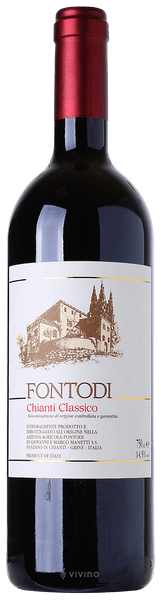
Taurasi Radici Riserva
The "Barolo of the South" from Campania's volcanic soils. Aglianico delivers dark fruit, tar, and leather with volcanic mineral snap. Requires 15–20 years to fully integrate its formidable tannins.
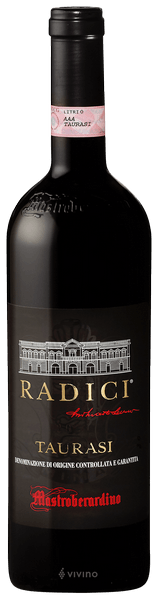
Dalmau
One of Rioja's most acclaimed modern reds. From the Ygay estate owned by the same family since 1852. Dense, concentrated, and structured — rivalling the best of Ribera del Duero.
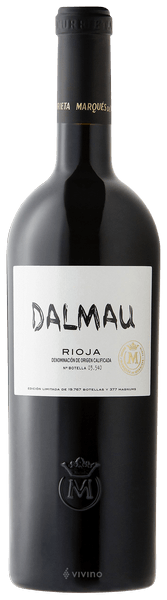
Gran Reserva 890
A statement of traditional Rioja made in extraordinary vintages only. Years in American and French oak give a silky, brick-edged wine of dried cherry, vanilla, and cedar — the epitome of classic Rioja.
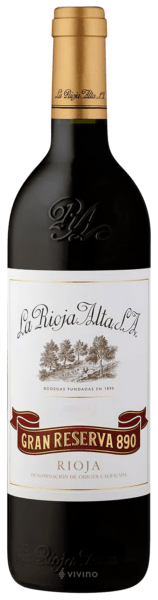
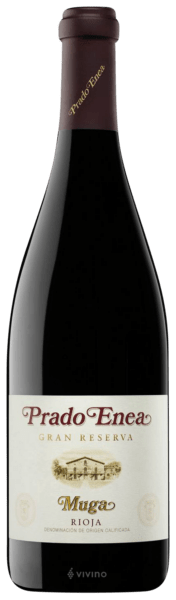
Prado Enea Gran Reserva
One of the last great traditionally-styled Riojas aged in large old oak casks (foudres). Mellow, silky, and aromatic — dried fruit, clove, and mocha in elegant, seamless balance.
Aalto PS
Pagos Seleccionados — a parcel selection from ancient vines across multiple villages. Mariano García's masterwork: deeply concentrated, velvety, and complex. Among Spain's most celebrated wines.
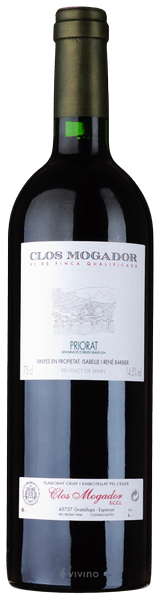
Clos Mogador
One of five original Priorat vanguard estates that relaunched the appellation in 1989. Old vines from slate and quartz llicorella soils — dark plum, mineral, and wild herb with massive concentration.
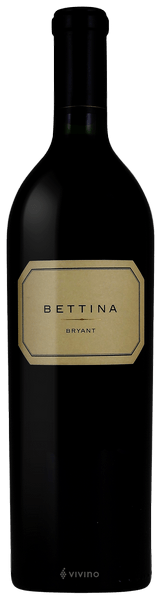
Bryant Family Cabernet Sauvignon
From the remote eastern hills of Napa, Bryant Family produces a deeply structured, age-worthy Cabernet. Helen Turley's original winemaking set this estate apart; it remains one of Napa's most coveted labels.
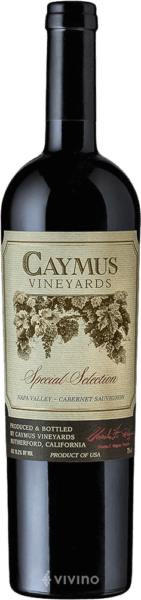
Special Selection Cabernet Sauvignon
The only wine to win Wine Spectator's Wine of the Year twice (1984, 1990). Rich, plush, and accessible — classic Rutherford dust with blackcurrant, cassis, and dark chocolate.
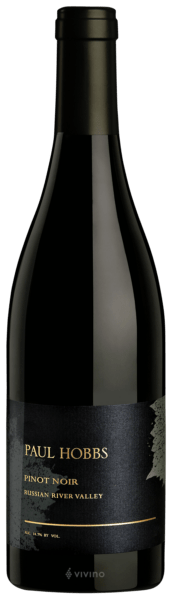
Russian River Valley Pinot Noir
Paul Hobbs' benchmark California Pinot from the cool, fog-drenched Russian River. Sappy red cherry, dried rose petal, and silky texture — one of America's most consistent Pinot Noirs.
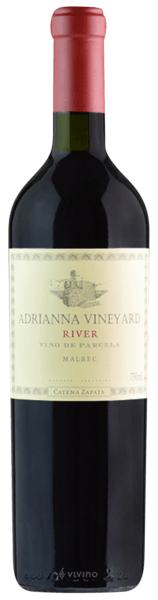
Adrianna Vineyard Malbec
The vineyard that put Argentine fine wine on the world map. At 1,450m altitude with ancient limestone soils, Adrianna produces Malbec of haunting violet perfume, mineral snap, and unparalleled freshness.
Almaviva
Chile's most prestigious wine — a joint venture between Concha y Toro and Baron Philippe de Rothschild. Bordelais in structure with South American warmth: cedar, blackcurrant, and tobacco.
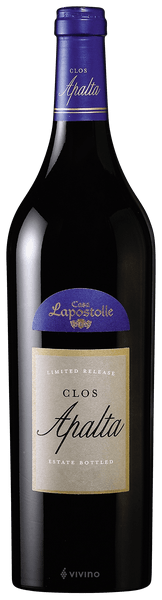
Clos Apalta
Wine Spectator's Wine of the Year 2008. From an amphitheatre-shaped vineyard of ancient dry-farmed vines. Rich, dark, and spicy with Carmenère's signature green herb intertwined with plum and chocolate.
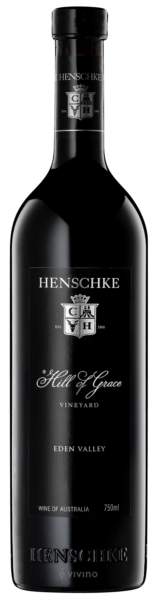
Hill of Grace
From 130+ year old "Grandfather Vines" planted by Silesian settlers. Elegant by Australian standards — silky texture, dark plum, spice, and earth with a refinement Grange's power can't match.
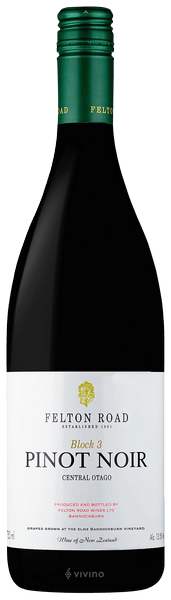
Block 3 Pinot Noir
The flagship of New Zealand's most acclaimed Pinot Noir producer. Biodynamic farming on ancient schist soils. Wild cherry, dark plum, and haunting minerality — a genuine rival to top Burgundy.
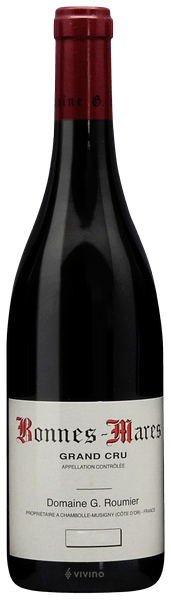
Bonnes-Mares
Roumier's parcels in Bonnes-Mares — both red and white clay sectors — produce a wine of extraordinary depth and power. More muscular than Musigny, it rivals the top Chambertin crus for sheer complexity.
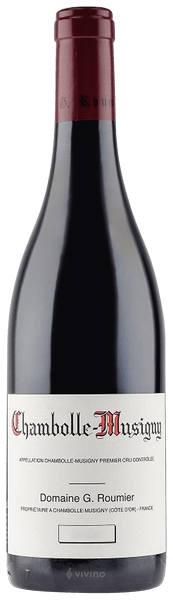
Chambolle-Musigny Les Amoureuses
The most coveted Premier Cru in all Burgundy — often selling at Grand Cru prices. "The Lovers" produces a hauntingly perfumed Pinot of rose, violet, cherry, and incomparable delicacy.
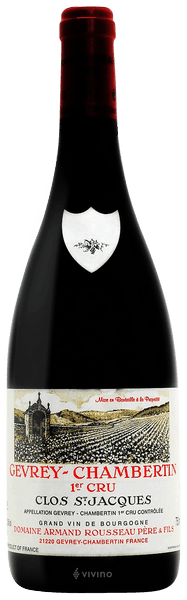
Gevrey-Chambertin Clos Saint-Jacques
Many critics argue Clos Saint-Jacques should be a Grand Cru. Rousseau's parcel consistently outperforms several Grands Crus in blind tastings — powerful, structured, and profound.
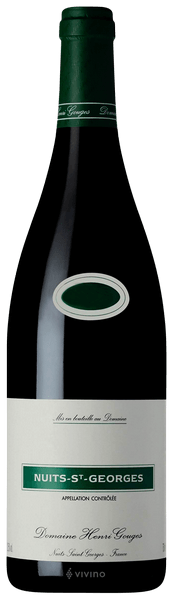
Nuits-Saint-Georges Les Saint-Georges
The vineyard that gives its name to the whole appellation — often cited as deserving Grand Cru status. Gouges' estate-bottled rendition is firm, earthy, and built for long ageing.
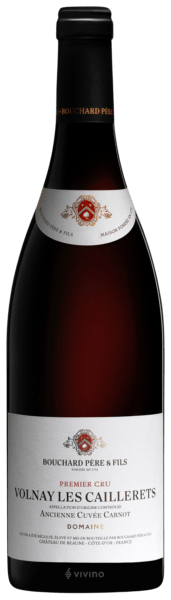
Volnay Caillerets Ancienne Cuvée Carnot
The finest red wine of the Côte de Beaune. Graceful and feminine, Volnay Caillerets shows the elegance that the appellation is famous for — raspberry, violet, and silky tannins that evolve beautifully.
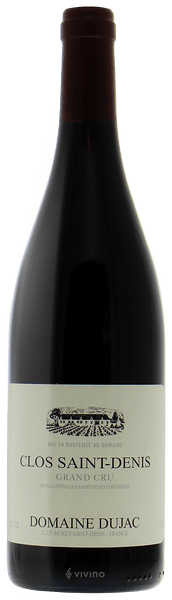
Clos Saint-Denis
The Grand Cru that gave Morey-Saint-Denis its name. Dujac's whole-cluster, stems-included approach yields a spicy, perfumed wine with a silky texture and remarkable purity of fruit.
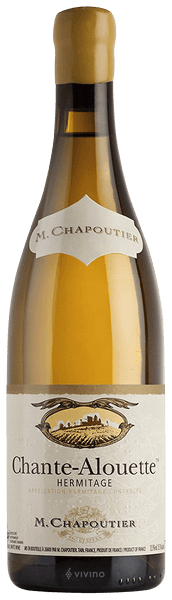
Ermitage L'Ermite
From the chapel parcel at the top of the Hermitage hill — granite soils producing Syrah of transcendent purity. Chapoutier's biodynamic approach yields a wine of extraordinary finesse and mineral tension.
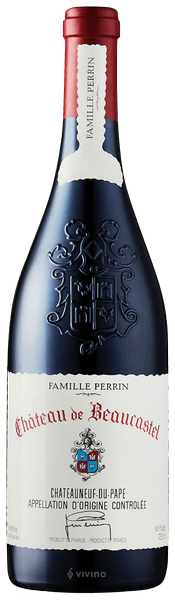
Château Beaucastel
The reference estate of the Southern Rhône — all 13 permitted grape varieties planted and blended. Mourvèdre gives Beaucastel its distinctive gamey, earthy character and exceptional 30-year longevity.
Cuvée da Capo
Made only in exceptional years from the oldest, most concentrated vines. Extraordinarily rare — sometimes just a few hundred cases. A wine of staggering power and complexity from Laurence Féraud.
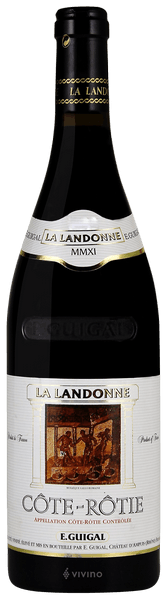
La Landonne
The darkest and most brooding of Guigal's "La La" wines, from the dark schist of the Côte Brune. Iron, black olive, dark fruit, and smoke — needs 15–20 years to open but achieves legendary status.
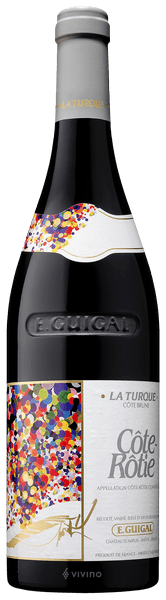
La Turque
The rarest of the three "La La" wines — just 600 cases from a single steep parcel. Between La Mouline's perfume and La Landonne's power. Named after a Turkish merchant who once owned the land.
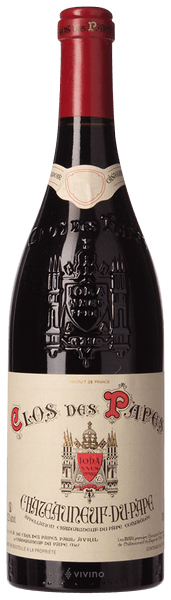
Clos des Papes
A benchmark for elegant, restrained Châteauneuf. While many neighbors chase concentration and power, Clos des Papes emphasises finesse and freshness — resulting in wines of remarkable longevity.
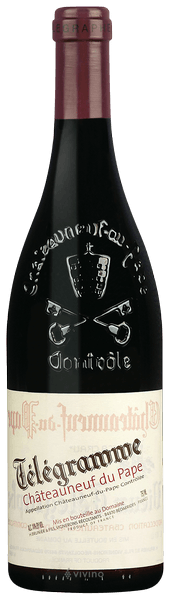
La Crau
Named for the telegraph tower above the galets roulés (rounded stones) plateau. One of the most consistent estates in the appellation — spicy, structured Grenache with herbes de Provence and iron.
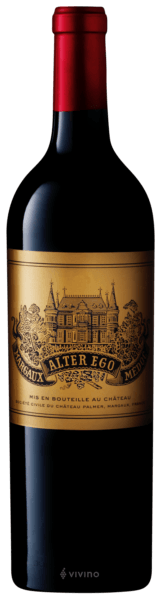
Château Palmer
A Third Growth that regularly outperforms the First Growths in great vintages. Exceptionally high Merlot content for Margaux gives plushness and approachability alongside great complexity and finesse.
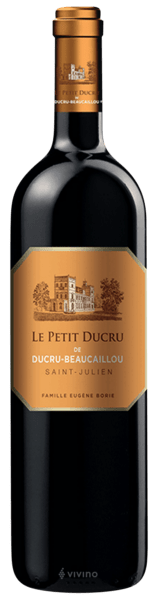
Château Ducru-Beaucaillou
"Beautiful pebbles" — named for the large cailloux (stones) on the Gironde riverside. Classic Saint-Julien combining Pauillac's structure with Margaux's elegance. Among the most reliable Bordeaux estates.
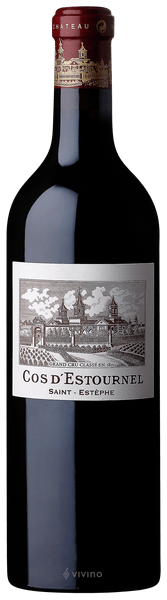
Château Cos d'Estournel
The "pagoda" estate with the distinctive Oriental towers. The super second of Saint-Estèphe — more Merlot than typical for the AC gives unusual richness alongside powerful, structured Cabernet.
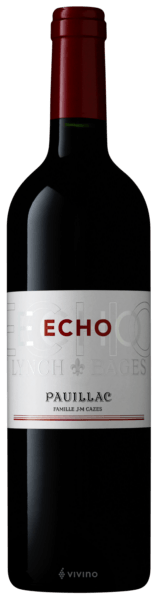
Château Lynch-Bages
The people's First Growth — a Fifth Growth that trades at Second Growth prices. Big, generous Pauillac with blackcurrant, tobacco, and cedar; accessible younger than most of its neighbors.
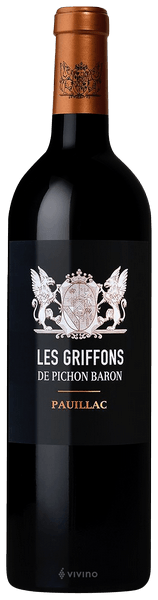
Château Pichon Baron
Since Jean-Michel Cazes's 1987 takeover for AXA, one of Bordeaux's most consistent performers. Powerful and structured with deep cassis and graphite — rivals Léoville Las Cases in great vintages.
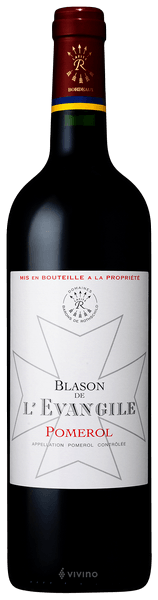
Château L'Évangile
Bordering both Pétrus and Cheval Blanc, L'Évangile benefits from exceptional terroir. Acquired by Lafite Rothschild in 1990, it now produces sumptuous, violet-scented Pomerol of the highest quality.
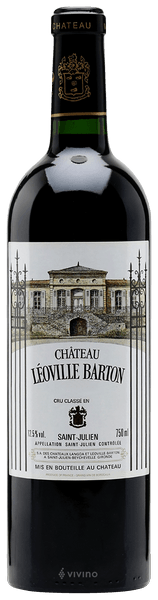
Château Léoville Barton
The most traditional and best-value Second Growth. Classically structured Claret of cedar, blackcurrant, and tobacco — the Barton family have kept prices honest while quality soared under Anthony and now Lilian.
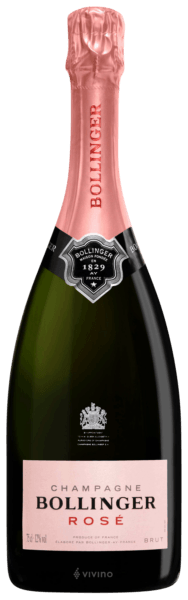
Bollinger R.D.
Récemment Dégorgé — aged for up to 12 years on lees before late disgorgement. The result is a wine of extraordinary depth: brioche, hazelnut, roasted apple, and creamy mousse. The pinnacle of Pinot Noir Champagne.
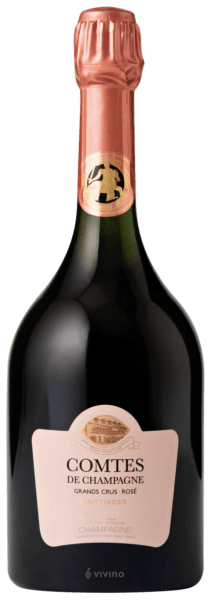
Comtes de Champagne Blanc de Blancs
A pure Chardonnay prestige cuvée of exceptional elegance. From Grand Cru vineyards in the Côte des Blancs, Comtes offers lemon curd, white flowers, and a chalky mineral finish that defines great blanc de blancs.
Cuvée Sir Winston Churchill
Named for Churchill's legendary love of Pol Roger — he ordered a case a week. Predominantly Pinot Noir, it shows power and depth, with toasted bread, peach, and a long authoritative finish.
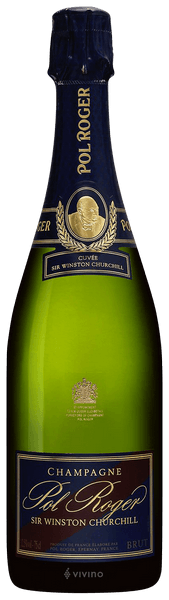
Tokaji Aszú 6 Puttonyos
The wine of kings and king of wines. At maximum aszú sweetness, this Tokaji offers intense dried apricot, orange peel, saffron, and honey balanced by searing acidity. Immortal vintages date to the 17th century.
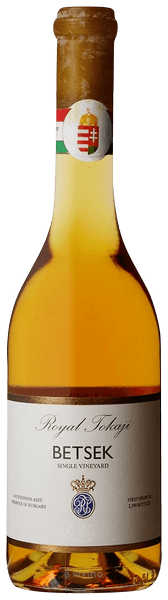
Trockenbeerenauslese
Germany's greatest and rarest wine style — hand-harvested, shrivelled berries producing just a few hundred millilitres per vine. Pure liquid gold: apricot jam, peach nectar, and honey that can age 100 years.
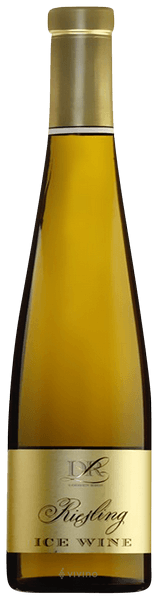
Vin Santo del Chianti Classico
Italy's most revered dessert wine — grapes dried for 6 months, then fermented and aged 10 years in tiny caratelli barrels. Rich walnut, fig, caramel, and orange peel. Only a few hundred liters per year.
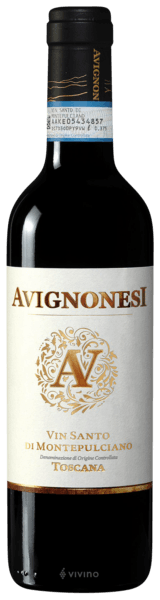
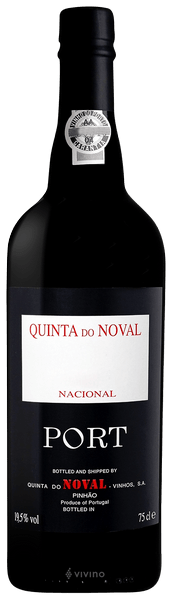
Quinta do Noval Nacional
From ungrafted pre-phylloxera vines yielding just 250 cases in great years. The 1931 Nacional is considered among the greatest wines ever made. Dark, intense, and immortal — a true collector's trophy.
Château Climens
The greatest estate in Barsac and d'Yquem's only true peer. 100% Sémillon on cool clay-limestone soils produces a more delicate, nervy style of Sauternes — honeysuckle, citrus zest, and ginger with electric acidity.