Pliny the Elder
The beer that defined American Double IPA. Brewed by Vinnie Cilurzo, it balances enormous hop bitterness with a clean malt backbone. The Santa Rosa taproom draws pilgrims from around the world.
Heady Topper
The original Vermont hazy — canned in 2011 and instantly legendary. Enormous tropical fruit aroma with virtually no bitterness on the finish. "Drink from the can" is printed right on the label.
Julius
The most sought-after NEIPA in New England — a silky orange juice bomb of Citra and Mosaic. Tree House releases attract queues of hundreds every weekend at their Monson, MA farm brewery.
KBS (Kentucky Breakfast Stout)
Aged a full year in bourbon barrels, KBS layers dark chocolate, coffee, and vanilla with warming bourbon oak. One of the most decorated barrel-aged stouts in the world — annual release draws mass hysteria.
Dark Lord
Released only one day per year — Dark Lord Day in Munster, Indiana. A thick, viscous, pitch-black behemoth of espresso, molasses, and dark fruit. The annual festival is one of craft beer's great pilgrimages.
Mornin' Delight
A maple syrup and coffee imperial stout aged in bourbon barrels — consistently rated among the world's top 5 beers. From a tiny Iowa brewery that shocked the world. Virtually impossible to find outside their taproom.
Pliny the Younger
Released just two weeks per year — Younger is a triple IPA of staggering balance. Despite the extreme gravity, it tastes dangerously drinkable. Lines form days before the release at the Santa Rosa brewpub.
Kentucky Brunch Brand Stout
KBBS — the barrel-aged sibling of Mornin' Delight, with even richer coffee and maple layers. Widely considered the rarest and most sought-after stout in American craft beer. Fewer than 500 cases produced annually.
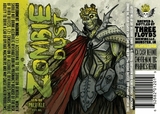
Zombie Dust
A single-hop APA built entirely on Citra — the beer that made Citra the world's most coveted hop. Explosively citrusy, light-bodied, and crushable. Beer Advocate's top-rated Pale Ale for years running.
Juicy Bits
WeldWerks' flagship DIPA from Greeley, Colorado. Saturated with Mosaic and Citra, it pours like orange juice and delivers huge tropical fruit without any harsh bitterness. One of the best hazies outside of New England.

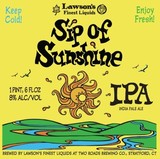
Sip of Sunshine
Vermont sunshine in a can. Originally a farmers market exclusivity, Sip of Sunshine is now more widely available — but the hazy mango, tangerine, and pineapple character remains as bright as ever.
Focal Banger
The Alchemist's sessionable companion to Heady Topper. Galaxy and Citra deliver tropical punch at a lower ABV. Just as juicy and hazy but more crushable — perfect for those days when Heady feels too much.
Green
Trillium's signature NEIPA — a big, dank, resinous double with an unusual herbal and citrus character. Among the most traded beers in America. Sold exclusively at their Boston and Canton locations.
CBS (Canadian Breakfast Stout)
KBS aged in maple syrup bourbon barrels — the rarer, sweeter cousin. Chocolate, coffee, and maple syrup in a decadent harmony. Originally a limited Michigan exclusive, now released more broadly but still scarce.
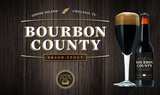
Bourbon County Brand Stout
The grandfather of the barrel-aged stout movement. First brewed in 1992, BCBS started the whole genre. Aged in Heaven Hill and Buffalo Trace barrels — vanilla, coconut, dark chocolate, and bourbon on the longest finish in beer.
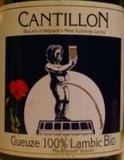
Cantillon Gueuze
Brussels' most revered lambic — a blend of one, two, and three-year spontaneously fermented beers. Bone dry, complexly sour, with leather, lemon pith, and barnyard funk. The reference point for the entire sour beer world.
Cantillon Kriek
Whole Schaerbeek cherries macerated in young lambic for months. The result is the world's greatest fruit beer — intensely dry and tart with a vivid cherry character that bears no resemblance to sweetened commercial versions.
Oude Geuze
Cantillon's fiercest rival in the lambic world. Armand Debelder's artisanal blends consistently achieve extraordinary complexity — fizzy, funky, lemony, and utterly unlike anything else on earth.
Supplication
Brown ale aged 12 months in Pinot Noir barrels with whole sour cherries, Brettanomyces, Lactobacillus, and Pediococcus. A sublime tart cherry, vanilla, and barnyard masterpiece from America's sour beer pioneer.
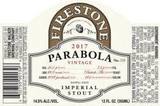
Parabola
Firestone Walker's most celebrated release. Aged 9–12 months in a blend of Four Roses, Jim Beam, and Elijah Craig barrels. Rich dark chocolate, espresso, and caramel with exceptional barrel integration. Cellars brilliantly for 10+ years.
Grand Cru
Two years in giant oak foedres produces Belgium's greatest sour red ale — cherry, raspberry, balsamic vinegar, and earthy oak in a complex sweet-sour balance. One of the world's most historic and distinctive beer styles.
Oude Geuze à l'Ancienne
Belgium's youngest lambic blendery (est. 2009) producing some of its most celebrated gueuze. Pierre Tilquin sources from five Payottenland breweries, blending with surgical precision for a refined, citrusy complexity.
Saison Dupont
The benchmark saison — dry, spicy, and effervescent. Michael Jackson called it "the world's greatest saison." Brewed at a family farm in Hainaut since 1844, it has shaped the entire modern farmhouse ale movement.

Two Hearted Ale
America's most consistently top-rated IPA. Pure Centennial hops give Two Hearted a distinctive grapefruit and pine character with a clean malt backbone. Named after the Hemingway story set on Michigan's Two Hearted River.
Dinner
Tree House's biggest and most celebrated DIPA — a meal unto itself. Enormous tropical fruit from Citra and Mosaic, with a creamy mouthfeel that defies the gravity. Near-perfect scores across every rating platform.
Oude Geuze Mariage Parfait
A "perfect marriage" of 100% three-year-old lambic — the richest and most complex of Boon's lineup. Intense lemon, oak, and green apple with a powerful natural carbonation. Ages magnificently for 10+ years.
BOMB!
Coffee, chocolate, vanilla, ancho chillies, and espresso in a thick Oklahoma imperial stout. One of the most acclaimed adjunct stouts in America — simultaneously intense, rich, and surprisingly balanced given the ingredient list.
Coolship Resurgam
America's answer to Belgian lambic — spontaneously fermented in a traditional coolship, then aged in oak barrels for years. Bright, dry, and funky with a wild complexity that gets better year after year in the cellar.
Beer Geek Breakfast
The beer that put Mikkeller on the world map. Brewed with a ridiculous amount of coffee, it pours jet black with an impossibly creamy coffee nose. One of the first great gypsy brewery beers and still the best.
La Folie
The Foeder Project's flagship — aged up to three years in large oak vessels called foeders. Sharp, tart, and vinegary with cherry, plum, and wine notes. America's most authentic take on the Flanders red style.
Torpedo Extra IPA
Dry-hopped in Sierra Nevada's "torpedo" device — a tube of fresh hops the beer passes through. Bold pine, resin, and citrus peel with enough malt body to carry it all. A perfectly engineered West Coast IPA.
Stone IPA
The quintessential West Coast IPA. Aggressively bitter, resinous, and dry — a throwback to California's bold, uncompromising hop philosophy. The "Arrogant Bastard" brewery's most approachable but still uncompromising flagship.
90 Minute IPA
Continuously hopped for 90 minutes using a vibrating football. One of the first imperial IPAs with mass distribution — resinous, piney, and caramel-malt-backed. A landmark in American craft history.
Jai Alai IPA
Named for the Basque sport once popular in Tampa's Cuban community. Six hop additions and massive dry-hopping create a citrusy, sweet-tinged IPA that made Cigar City the most celebrated Florida craft brewery.
Centennial IPA
Centennial hops dominate with floral and citrus character — a softer, more approachable IPA than most of Founders' lineup. One of the most consistent and reliably excellent American IPAs available year-round.
The Abyss
Deschutes' annual winter release — a blend of imperial stout aged in bourbon, wine, and Oregon oak barrels. Rich with licorice, molasses, and dark chocolate. Among the top-rated Oregon beers every year since 2006.
Tank 7 Farmhouse Ale
Named for the tank where a Belgian yeast strain accidentally over-attenuated a batch, creating something far more interesting than intended. Grapefruity, spicy, and dry — the best American saison in wide distribution.
Speedway Stout
A San Diego benchmark — thick, full-bodied, and loaded with coffee. Originally made with Vietnamese coffee from Mostra Coffee. The annual variants (bourbon-barrel, vanilla, etc.) are among the most traded in America.
Ten FIDY
The first craft imperial stout in a can — and still one of the finest. Thick, oily, and opaque with milk chocolate, espresso, and roasted malt. The name comes from the original recipe's OG (1.105). A trailblazing craft lager in a can.
Sofie
Aged in white wine barrels with orange peel — a uniquely elegant American farmhouse ale. Champagne-like effervescence, citrus, and subtle funk from Brettanomyces. One of the most refined craft beers from Chicago's original craft pioneer.
Bigfoot Barleywine Style Ale
The annual Sierra Nevada winter monster — aggressively hopped with a thick caramel malt backbone. Born 1983, it defined American barleywine. Cellaring for 5–10 years smooths the hops into a toffee-laced, vinous masterpiece.
Old Foghorn Barleywine
America's first modern barleywine (1975) — brewed with a massive quantity of whole hops and the largest malt bill in Anchor's lineup. Toffee, dark fruit, and pine resin, with a warmth that lingers long after the last sip.
Utopias
Illegal in 15 US states due to its ABV. Aged in Cognac, Sherry, Scotch, and bourbon barrels over years. Served at room temperature like a spirit — dark cherry, vanilla, and maple syrup in a liquid that barely qualifies as "beer."
Hefeweissbier
From the world's oldest brewery (est. 1040 AD). The global reference point for Hefeweizen — banana, clove, and vanilla with a silky, hazy yellow body. Endlessly sessionable and copied by breweries worldwide.
Aventinus Weizenbock
World's oldest wheat doppelbock (1907). Banana, clove, dark plum, chocolate, and a warming alcohol note from its generous ABV. One of the most complex wheat beers ever made — magnificent when cellar-aged 2–3 years.
White
America's most beloved witbier — brewed with oats, wheat, coriander, and Curaçao orange peel. Allagash single-handedly popularised the Belgian white style in the US when they launched in 1995. Hazy, spiced, and endlessly refreshing.
Pilsner Urquell
The original pilsner — "urquell" means "original source." Brewed in Plzeň since 1842, it inspired virtually every lager on earth. Unfiltered tank beer served at the brewery is one of the world's great beer experiences.
Brooklyn Lager
Garnet-colored, dry-hopped Vienna lager that helped launch the East Coast craft beer revolution in 1987. Caramel malt, earthy hops, and a clean finish. Still one of the best craft lagers in the world.
Augustiner Lagerbier Hell
Munich's best-loved helles — brewed by the oldest independent brewery in the city (est. 1328). Soft, malty, and gently hoppy with a creaminess that makes it almost impossibly easy to drink. The ultimate Oktoberfest lager.
Union Jack IPA
A classic West Coast IPA from Paso Robles — bold citrus and pine from Cascade, Centennial, and Simcoe hops, supported by a firm caramel malt backbone. Multiple World Beer Cup Gold medals and a permanent staff favorite at Firestone.
Blind Pig IPA
Pliny's little sibling — and a world-class IPA in its own right. Blind Pig preceded Pliny by years and remains the proof that Russian River can do lower-gravity brilliance. Floral, citrusy, and endlessly drinkable.
Lagunitas IPA
One of the most widely distributed craft IPAs in the world, and still one of the best. Aggressive hops, piney resin, and a firm malt backbone. Brewed in Petaluma and Chicago — a gateway craft IPA for millions.
Original Helles
From the world's oldest brewery, the Original Helles is a textbook Munich lager — pale gold, softly carbonated, with delicate malt sweetness and a clean, dry finish. Simple, masterful, and unchanged for generations.
Boston Lager
The beer that brought craft lager to America's mainstream in 1984. Based on great-great-grandfather Louis Koch's recipe, it's a balance of caramel malt and noble hops that most brewers still can't match at scale.
Anchor Steam Beer
America's original craft beer — revived by Fritz Maytag in 1965 and the godfather of the entire American craft movement. A unique style fermented with lager yeast at ale temperatures. Caramel, biscuit, and Northern Brewer hops.
120 Minute IPA
The world's highest-ABV IPA — fermented with Champagne yeast to push past normal beer limits. Tastes more like boozy fruit nectar than a traditional IPA. Continuously hopped for two hours and then dry-hopped for another month.
Vintage Ale
Released annually since 1997, each vintage uses different malt and hop combinations. Aged in the cellar, it evolves into dried fruit, toffee, and sherry over years. A rare English barleywine tradition kept alive by one of London's great breweries.
Imperial Stout
Scandinavia's most celebrated craft brewery put Norway on the global beer map with this powerhouse stout. Dark chocolate, espresso, and black treacle — a Scandinavian winter in a glass. The brewery's motto: "Compromises are for politicians."
Punk IPA
The beer that launched a global craft revolution from a garage in Ellon. Tropical fruit, fresh citrus, and a clean bitter finish — a well-executed American-style IPA that made the style accessible to millions across Europe.
Jaipur
The beer that sparked the British craft IPA revolution. Brewed at Thornbridge Hall in Derbyshire, Jaipur delivers citrus, tropical fruit, and bitter citrus peel — a revelation in a UK market long dominated by cask bitters.
Cannonball
Huddersfield's proudest craft export — a big American-influenced IPA bursting with tropical hops. Named Best Beer in Britain by multiple publications. Magic Rock's flagship and a landmark in the UK's explosive craft beer scene.
Gamma Ray APA
London's most beloved pale ale — a big, tropical-forward APA from Tottenham with distinctive sci-fi can art. Mango, orange, and passionfruit from Citra and Centennial, with a clean, refreshing finish. The can you see at every hip London bar.
Delirium Tremens
The infamous pink elephant beer. Three different yeast strains create a complex, warming, fruity Belgian that belies its strength. Winner of "Best Beer in the World" in 2008 at the World Beer Championships. A bucket-list Belgian.
Duvel
The "devil" — so named because a worker declared "That's a devil of a beer!" after the first tasting. Triple-fermented with Saaz and Styrian Golding hops. Elegant, dry, fruity, and dangerously easy to drink for 8.5%.
Grande Réserve (Blue)
The most complex of Chimay's Trappist lineup — dark fruit, chocolate, caramel, and spice from an ancient abbey yeast. First brewed in 1948, it's one of the most important beers in history. Aged in the cellar it becomes profoundly port-like.
Orval
The most unique Trappist beer — dry-hopped with Hallertau and refermented with Brettanomyces. Young, it's citrusy and resinous; aged 6–12 months, it becomes funky, leathery, and complex. One of the world's most fascinating beers.
Tripel
The original tripel — Westmalle invented the style in 1956. Pale gold, complex, and surprisingly dry for its gravity. Fruity esters, spicy phenols, and a noble hop bitterness. The standard by which all other tripels are judged.
Abt 12
Many consider Abt 12 a match for Westvleteren 12 — and it's made with the same historic yeast. Rich dark fruit, chocolate, caramel, and fig with a profound complexity. St. Bernardus once brewed under license for Westvleteren, and it shows.
Quadrupel
From the only Trappist brewery outside Belgium, this Quad is a dark, warming masterpiece. Prune, chocolate, toffee, and subtle oak — the Netherlands' most decorated beer and proof that Dutch monks can match Belgian Trappists.
Deus Brut des Flandres
Brewed in Belgium then shipped to Champagne for secondary fermentation using méthode champenoise. The result is an extraordinary beer-wine hybrid — fine bubbles, brioche, apple, and citrus in a Champagne flute. The most elegant Belgian ever made.
Expedition Stout
Bell's winter monster — brewed annually since 1991. Pours black with mahogany edges; chocolate, coffee, and dark molasses dominate. One of the great cellaring beers — aged 5–10 years it develops into something extraordinary.
Temptation
Blonde ale aged in Chardonnay barrels with Brettanomyces, Lactobacillus, and Pediococcus. Crisp, tart apple, vanilla, and white wine notes — one of the most elegant American sour ales and a triumph of barrel-aged winemaking technique applied to beer.
Bam Bière
An open-fermented farmhouse ale with wild yeast and bacteria — tart, dry, and funky with hay, lemon peel, and a lovely earthy complexity. Jolly Pumpkin's commitment to wild fermentation in Dexter, Michigan put American sour beer on the global map.
Maharaja Imperial IPA
Boulder, Colorado's most aggressive IPA — dry-hopped 7 times with 4 different varieties. The ABV is enormous but it reads as pure hop juice. A staple of the Great American Beer Festival, Maharaja has won multiple medals and a devoted cult following.
Milk Stout Nitro
The beer that popularised nitro cans in America. Lactose sugar adds a silky sweetness; nitrogen creates a Guinness-like cascade and creamy head. Dark chocolate, roasted coffee, and vanilla in a beautifully smooth package. Pour hard, never gentle.
Breakfast Stout
Double-chocolate, double-coffee oatmeal imperial stout — the little sibling to KBS. Sumatra and Kona coffees combine with Chocolove chocolate and oats for a silky, indulgent stout that's become one of the most widely available American craft stouts.
Medianoche
Colorado's answer to Toppling Goliath and Tree House stouts. Aged in a blend of whiskey barrels, Medianoche delivers coconut, vanilla, dark chocolate, and roast in perfect harmony. Consistently rated top 50 beers in the world on Untappd.
Pseudo Sue
Named for a nearly complete T. rex skeleton. Single-hop Citra pale ale — clean, tropical, and citrusy. Often ranks as the world's top-rated pale ale on BeerAdvocate and Untappd, proving that restraint and focus beat complexity every time.
Taras Boulba
Brussels craft at its most refreshing — a dry, bitter, hop-forward pale ale inspired by English tradition with Belgian character. Named for Gogol's Cossack hero. Remarkable bitterness for such a low ABV, and a lesson in elegant brewing.
Goliat Imperial Stout
Copenhagen's gypsy brewing powerhouse delivers a formidable Nordic imperial stout — dark chocolate, espresso, tobacco, and leather in a massive body. To Øl consistently outpunches its size, producing world-class beers without owning a single kettle.
Single Hop IPA Series
Mikkeller's brilliant education in hops — the same base beer brewed with 35+ different single hop varieties. Each release is a lesson in what a hop variety actually contributes. An endlessly fascinating series for hop enthusiasts worldwide.
Yin & Yang
The blend of Evil Twin's two flagship beers — Even More Jesus (imperial stout) and Molotov Cocktail (DIPA). The result is a lush coffee stout with hop aroma. From Mikkel Borg Bjergsø, twin brother of Mikkeller's founder — craft beer's most improbable sibling rivalry.
Atrial Rubicite
Texas Hill Country raspberries fermented with wild yeast captured on the farm outside Austin. One of America's most revered fruit sour ales — tart, funky, and alive with fresh raspberry, complemented by earthy Brettanomyces character. Release day queues are legendary.
Pinner Session IPA
Colorado's answer to the session IPA question — dry-hopped aggressively with Mosaic and Simcoe, tasting like a full-strength IPA in a crushable 4.9% body. The name is a nod to a perfectly-rolled smoke. Proof that low ABV doesn't mean low flavor.
Fort Point Pale Ale
Trillium's most approachable beer but far from simple — Citra, Mosaic, and Galaxy create a lush, tropical-forward pale ale that's soft, hazy, and perfectly balanced. Named for Boston's Fort Point Channel neighborhood where the brewery was born.
Haze
Tree House's approachable flagship — the gateway to their world-class lineup. Orange-hued, impossibly soft, and tropical. For first-timers making the Monson pilgrimage, Haze is usually where the obsession begins. Consistently rated among the world's top 50 IPAs.
Celebration Fresh Hop IPA
Sierra Nevada's annual Christmas release since 1981 — brewed with fresh Cascade and Centennial hops weeks after harvest. Brighter and more aromatic than the standard IPA. A beloved seasonal ritual that marks the start of winter for craft beer fans.
Inversion IPA
Bend, Oregon's craft flagship — named for the atmospheric temperature inversion that creates crystal-clear Cascade Mountain skies. Five hop varieties create a hop-forward, resinous IPA with pine and citrus. A Pacific Northwest classic.
Hefeweissbier
Munich's most internationally recognized hefeweizen — the one in every German restaurant worldwide. Classic banana and clove character from an exceptional house yeast, with a cloudy golden body. A perfect summer beer and a pillar of Bavarian brewing heritage.
Weissbier
The world's largest hefeweizen brewery produces a reliably excellent example — yeasty, spicy, and subtly fruity. Erdinger exports more wheat beer globally than any other brewery. A benchmark of accessible Bavarian wheat beer tradition.
Hibernation Ale
Denver's winter warmer — an American strong ale with big caramel malt character and a complex hop profile. Ages beautifully; vintage bottles from the cellar develop vinous, dried-fruit qualities. One of Denver's most celebrated craft seasonals.
Easy Jack Session IPA
Firestone Walker's most approachable beer — dry-hopped with Mosaic and Citra for big tropical aroma in a crushable 4.5% frame. The benchmark session IPA that proves Firestone's hop wizardry scales down as well as it scales up.
India Pale Ale
From London's Bermondsey Beer Mile — a changing series of IPAs, each brewed with different hop combinations. The Kernel's commitment to British-style dry, bitter, hop-forward brewing with rotating recipes makes every bottle a unique experience.
Double Chocolate Stout
Real dark chocolate and chocolate essence combine with dark malt in a surprisingly complex sweet stout. One of Britain's most exported craft beers and a gateway stout for millions — rich, lush, and unapologetically indulgent.
Oude Geuze
One of the Payottenland's oldest surviving lambic producers — revived in 2005 after near-closure. A classic, spritzy geuze with lemon peel, oak, and funky brett notes. Tart and complex in the great Cantillon tradition, from a brewery that almost didn't survive.
Thomas Hardy's Ale
Created in 1968 to honor the centenary of Thomas Hardy's novel "The Trumpet Major." Described in the book as "the most beautiful beer in Dorset." Each bottle is individually numbered and designed to be cellared 25 years. A living piece of English brewing history.
Cuvée René Oude Geuze
Lindemans' traditional face — entirely different from the sweet commercial lambics the brewery also produces. Named for René Lindemans, this traditional geuze is dry, tart, and effervescent — a reminder of the family's uncompromised lambic heritage.
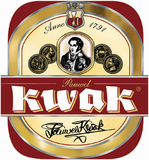
Pauwel Kwak
Famous for its distinctive coach-glass served in a wooden cradle — a vessel designed so coachmen could hang it from their coach without spilling. Malty, caramel-sweet, and fruity with a warming Belgian character. The most Instagrammable beer glass in the world.
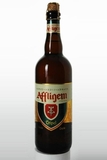
Tripel
From Belgium's oldest abbey brewery (est. 1074), the Affligem Tripel is a pale golden beauty — fruity, spicy, and deceptively strong. Honey, orange peel, and coriander-like spice from the heritage yeast. A magnificent tripel with 900+ years of brewing history behind it.
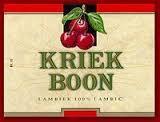
Kriek
Boon's classic kriek — Schaerbeek cherries macerated in young lambic, the traditional way. Sharp, vinous, and dry, with a natural cherry tartness that puts commercial fruit beers to shame. One of the most authentic expressions of Belgian wild ale tradition.