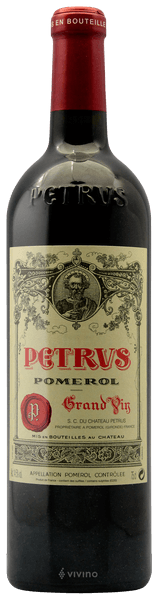
Pétrus
The world's most coveted Merlot, grown on a near-solid plug of blue clay in Pomerol. Impossibly concentrated black fruit, truffle, and iron — aged only in new French oak. Production is tiny; prices are astronomical.
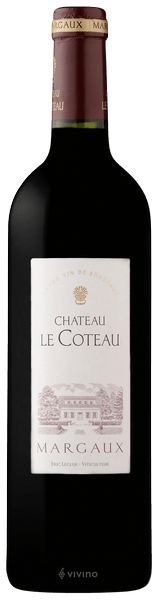
Château Margaux
The most feminine of the First Growths — violets, cassis, and tobacco on a frame of impossibly fine tannins. The 1900 and 1990 vintages are among the most celebrated bottles ever produced.
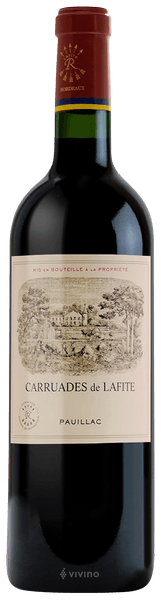
Château Lafite Rothschild
Aristocratic Pauillac with pencil shavings, cedar, and blackcurrant. Named First Growth at the 1855 classification and never looked back. Among the most collected wines in Asia.
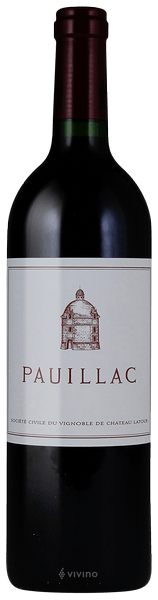
Château Latour
The most powerful and structured of the First Growths. Deep gravelly soils on the Gironde produce a wine built for decades of cellaring. The 1961 is arguably the greatest Bordeaux ever made.
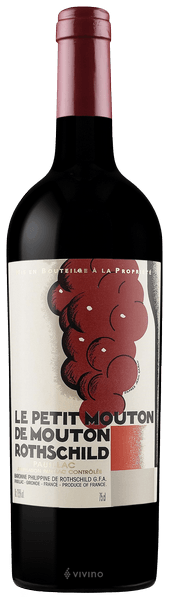
Château Mouton Rothschild
Famously promoted to First Growth in 1973, the only reclassification in Médoc history. Known for opulent cassis, tobacco, and iconic artist-label bottles by Picasso, Dalí, and Warhol.
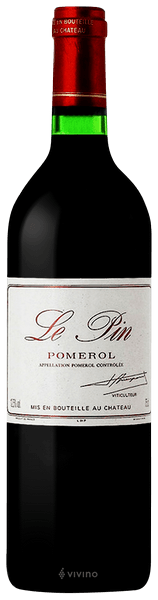
Le Pin
Just 2.2 hectares produce one of Bordeaux's rarest and most expensive wines. Seductively lush and opulent — sometimes called the "garage wine" that launched the entire garagiste movement.
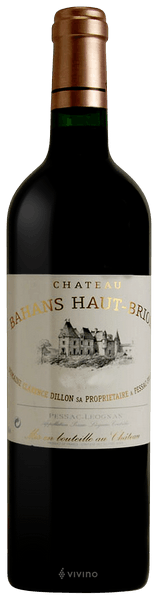
Château Haut-Brion
The only non-Médoc First Growth and the oldest of the five. Smoky, earthy, and savoury — a distinct terroir character unlike anything else in Bordeaux.
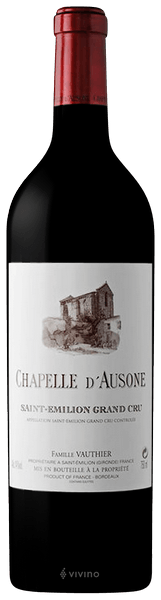
Château Ausone
Named after the Roman poet Ausonius who supposedly owned the land. From just 7 hectares of limestone plateau, it produces one of Bordeaux's most mineral and age-worthy wines.
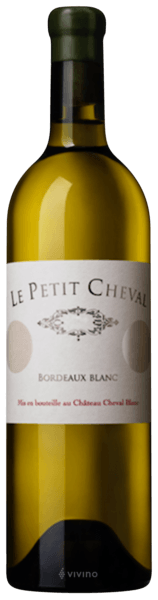
Château Cheval Blanc
Unusually high Cabernet Franc gives Cheval Blanc a plush, velvety texture with exotic spice. The 1947 is widely regarded as the greatest wine ever made.
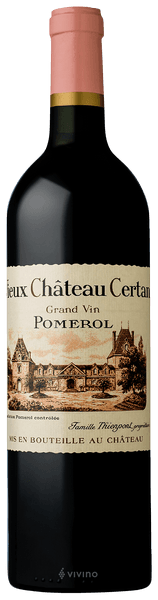
Vieux Château Certan
Pomerol's answer to Pétrus at a fraction of the price. Higher Cabernet Franc gives more elegance and structure. Outstanding in great vintages and arguably undervalued.
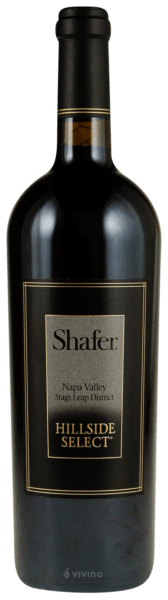
Château Lafleur
Just 4.5 hectares next to Pétrus. Higher Cabernet Franc than most Pomerol gives Lafleur more structure and savageness than its famous neighbor — and arguably as much complexity. Tiny production commands enormous prices.
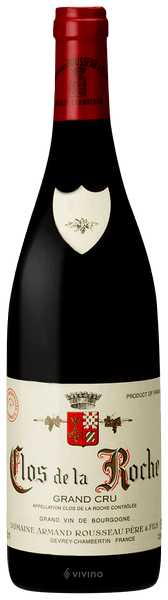
Château Léoville Las Cases
Often called the "super second" — regularly outperforming the First Growths in blind tastings. Firm, structured, and classically built for long cellaring. The Grand Enclos parcel borders Latour.
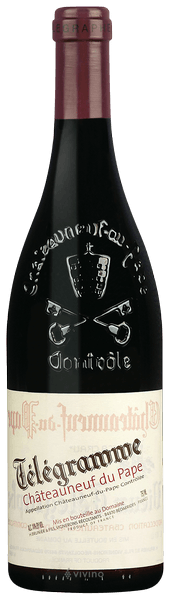
Château Palmer
A Third Growth that regularly outperforms the First Growths in great vintages. Exceptionally high Merlot content for Margaux gives plushness and approachability alongside great complexity and finesse.
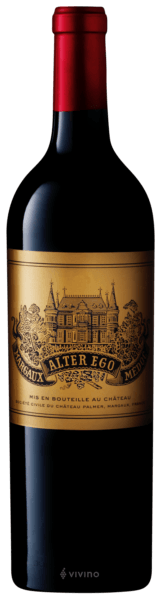
Château Ducru-Beaucaillou
"Beautiful pebbles" — named for the large cailloux (stones) on the Gironde riverside. Classic Saint-Julien combining Pauillac's structure with Margaux's elegance. Among the most reliable Bordeaux estates.
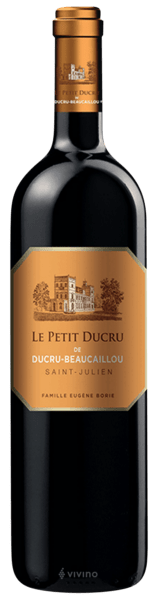
Château Cos d'Estournel
The "pagoda" estate with the distinctive Oriental towers. The super second of Saint-Estèphe — more Merlot than typical for the AC gives unusual richness alongside powerful, structured Cabernet.
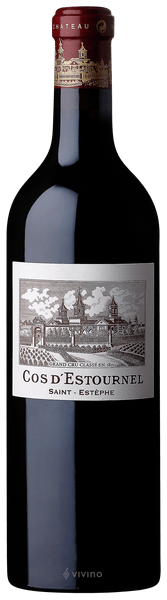
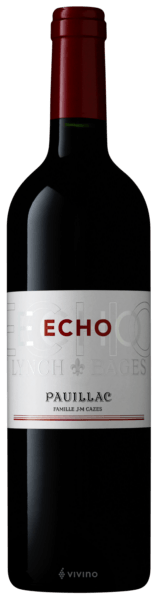
Château Lynch-Bages
The people's First Growth — a Fifth Growth that trades at Second Growth prices. Big, generous Pauillac with blackcurrant, tobacco, and cedar; accessible younger than most of its neighbors.
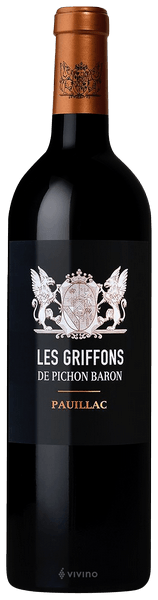
Château Pichon Baron
Since Jean-Michel Cazes's 1987 takeover for AXA, one of Bordeaux's most consistent performers. Powerful and structured with deep cassis and graphite — rivals Léoville Las Cases in great vintages.
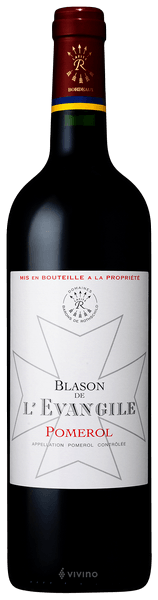
Château L'Évangile
Bordering both Pétrus and Cheval Blanc, L'Évangile benefits from exceptional terroir. Acquired by Lafite Rothschild in 1990, it now produces sumptuous, violet-scented Pomerol of the highest quality.
Château Léoville Barton
The most traditional and best-value Second Growth. Classically structured Claret of cedar, blackcurrant, and tobacco — the Barton family have kept prices honest while quality soared under Anthony and now Lilian.