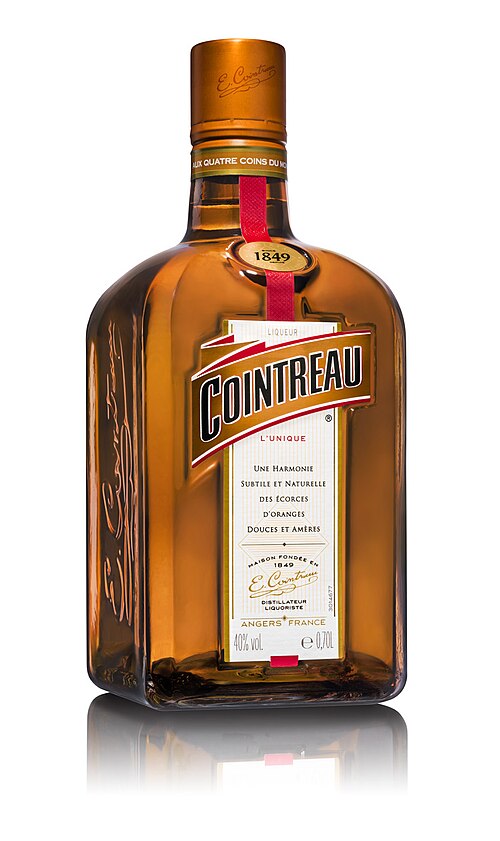
Cointreau
The global benchmark triple sec since 1875. Made from both sweet and bitter orange peels — Peruvian bitter and Brazilian sweet — macerated in beet alcohol and redistilled. Essential for Margaritas, Sidecars, and Cosmos.
Grand Marnier Cordon Rouge
Cognac blended with bitter Caribbean orange essence — a significant step up from regular triple sec. The Cognac base adds warmth, depth, and complexity. The definitive choice for a Grand Margarita or the Cadillac Margarita.
Combier Original
The world's first triple sec, created by Jean-Baptiste Combier in 1834. Sweeter and more floral than Cointreau, using dried peel from Haiti's bitter orange. A bartender's secret weapon for classic cocktails.
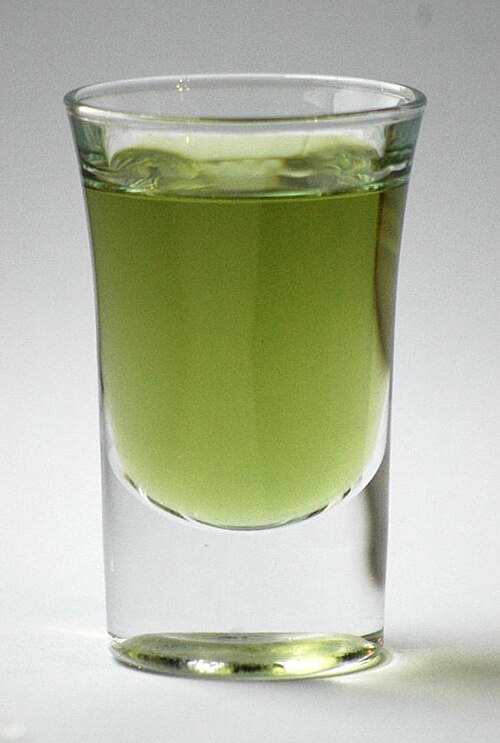
Chartreuse Verte (Green)
Made by Carthusian monks since 1737 using 130 plants, herbs, and flowers — a recipe known only to two monks at any given time. Intensely herbal, minty, and complex. The essential ingredient in the Last Word cocktail. The color chartreuse is named after it.
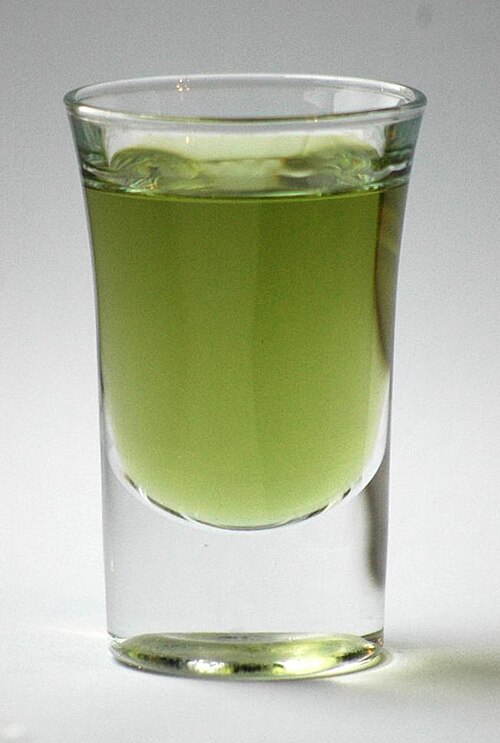
Chartreuse Jaune (Yellow)
The milder sibling of Green Chartreuse — honey, saffron, and gentian-led with a softer botanical character. Only 130 plants used, but weighted toward sweeter, more mellow flavors. Outstanding in a Yellow Negroni variation or served neat over ice.
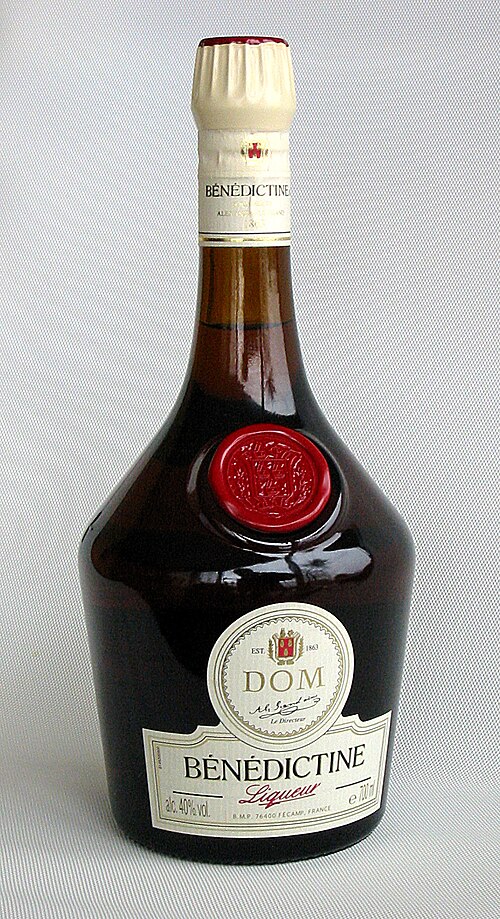
Bénédictine DOM
DOM stands for Deo Optimo Maximo (God, Most Good, Most Great). A recipe allegedly from 1510, revived in 1863 using 27 plants and spices. Honeyed, herbal, with notes of hyssop, angelica, and lemon balm. Essential in the Vieux Carré cocktail.
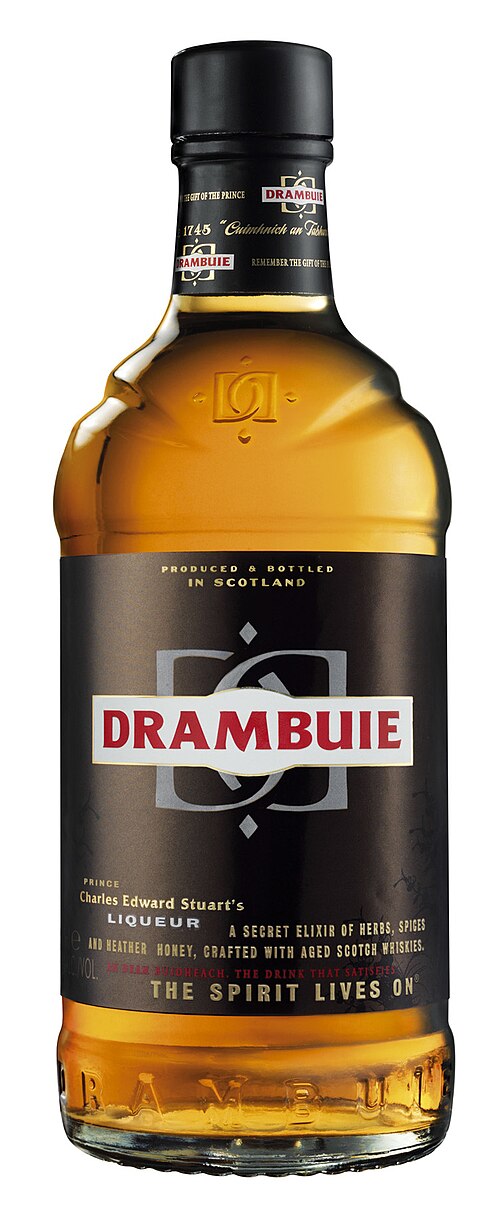
Drambuie
Aged Scotch whisky combined with heather honey, herbs, and spices — a recipe allegedly given by Bonnie Prince Charlie to his supporter John MacKinnon in 1746. The key ingredient in the Rusty Nail. Deeply warming with honey, orange peel, and anise.
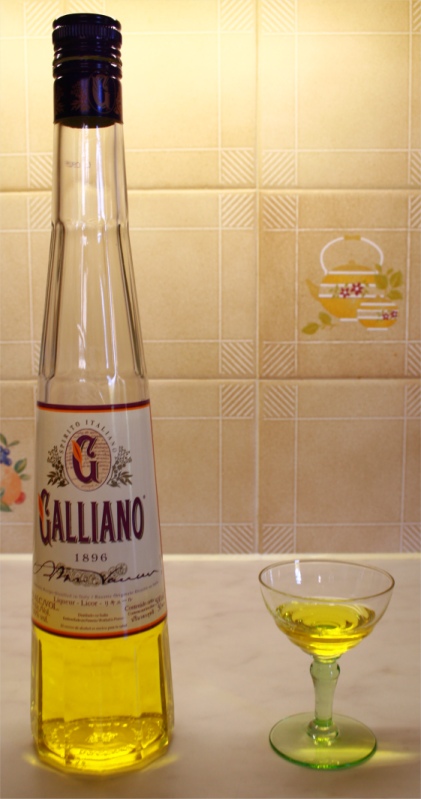
Galliano L'Autentico
30+ herbs and spices macerated in neutral spirit, dominated by vanilla and anise with citrus and cinnamon undernotes. Created 1896, named after an Italian war hero. Its tall, fluted bottle is unmistakable. The Harvey Wallbanger float that made it famous in the 1970s.
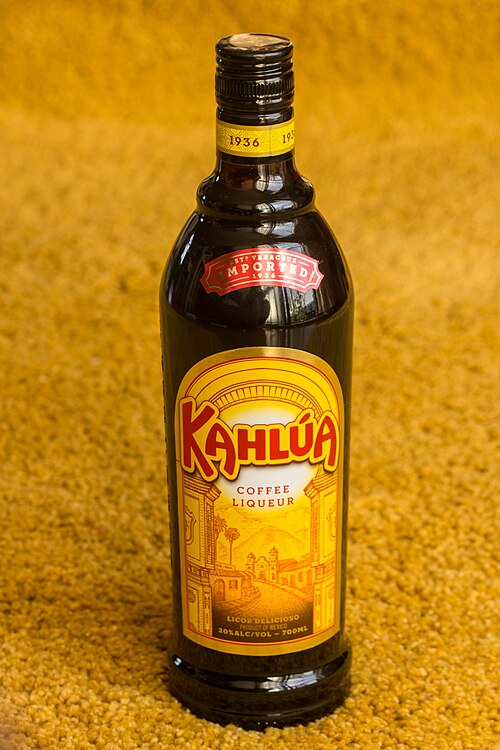
Kahlúa
Since 1936 — Arabica coffee grown in Veracruz, rum, vanilla, and caramel sugar. The definitive coffee liqueur and essential for White Russians, Black Russians, and Espresso Martinis. Sweet, deep, and rich with real coffee character.
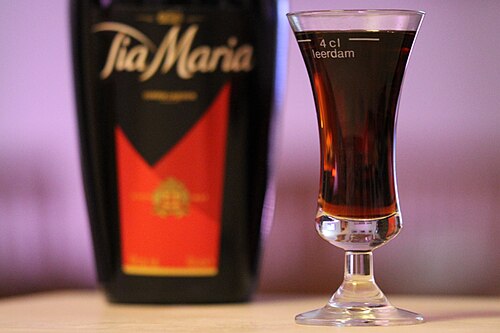
Tia Maria
Jamaican Blue Mountain coffee extract combined with Jamaican rum and vanilla. Lighter and less sweet than Kahlúa with a cleaner coffee character. The layered B-52 shot's essential middle layer. Outstanding drizzled over vanilla ice cream.
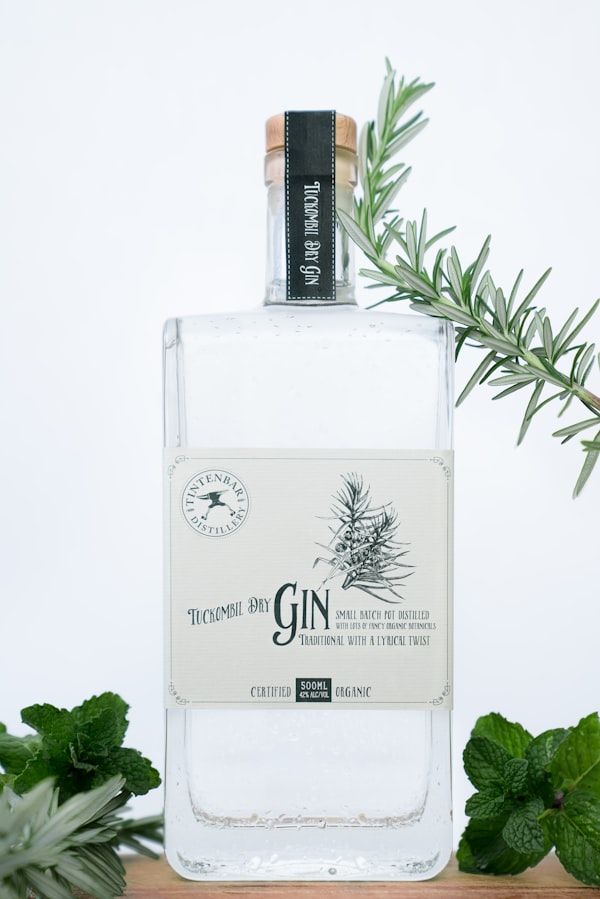
Mr. Black Cold Brew
The modern bartender's coffee liqueur of choice. Made with specialty cold-brew coffee concentrate and Australian wheat spirit. Far less sweet than Kahlúa with genuine third-wave coffee intensity. Makes an extraordinary Espresso Martini.
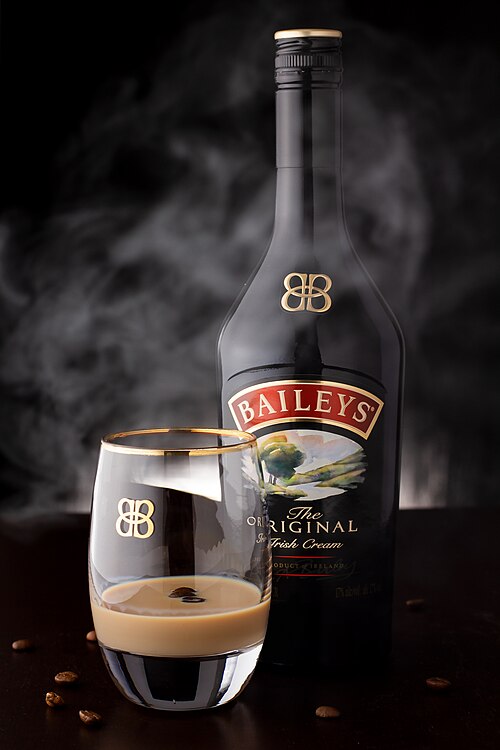
Baileys Irish Cream
The world's best-selling liqueur — Irish whiskey blended with Irish dairy cream, chocolate, and vanilla. Launched in 1974 and still the category leader. Outstanding over ice, in coffee, or layered in shots. The dairy and alcohol act as mutual preservatives — shelf-stable for 2 years.
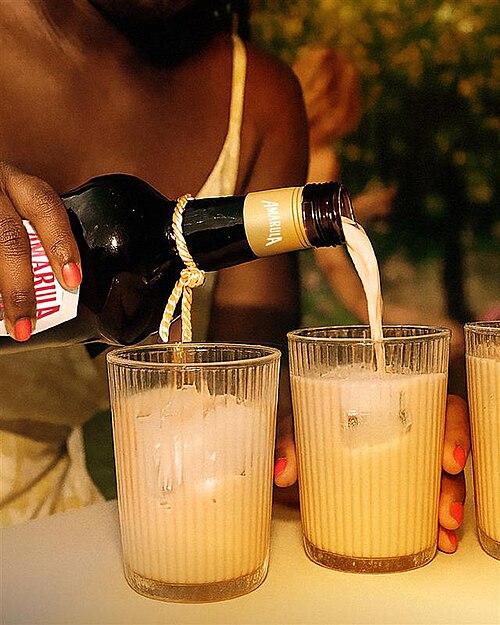
Amarula Cream
Made from the marula fruit — a sub-Saharan tree whose fermented fruit elephants famously seek out. The fruit is harvested, fermented, double-distilled, aged 2 years in French oak, then blended with cream. Exotic caramel, toffee, and tropical fruit notes.
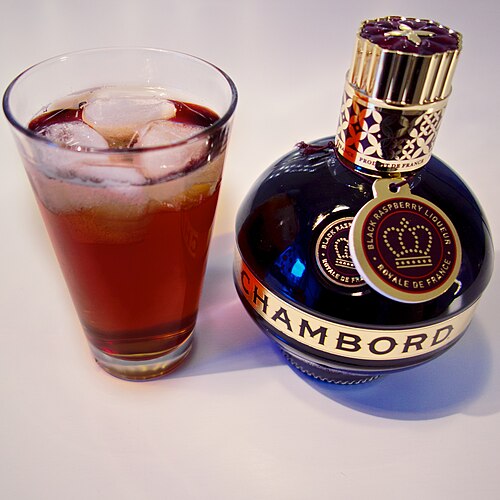
Chambord Black Raspberry
Black raspberries and blackcurrants macerated with Cognac, Madagascar vanilla, Moroccan citrus peel, honey, and herbs. The spherical bottle modelled on the Château de Chambord is instantly recognisable. Essential in French Martinis and Kir Royales.
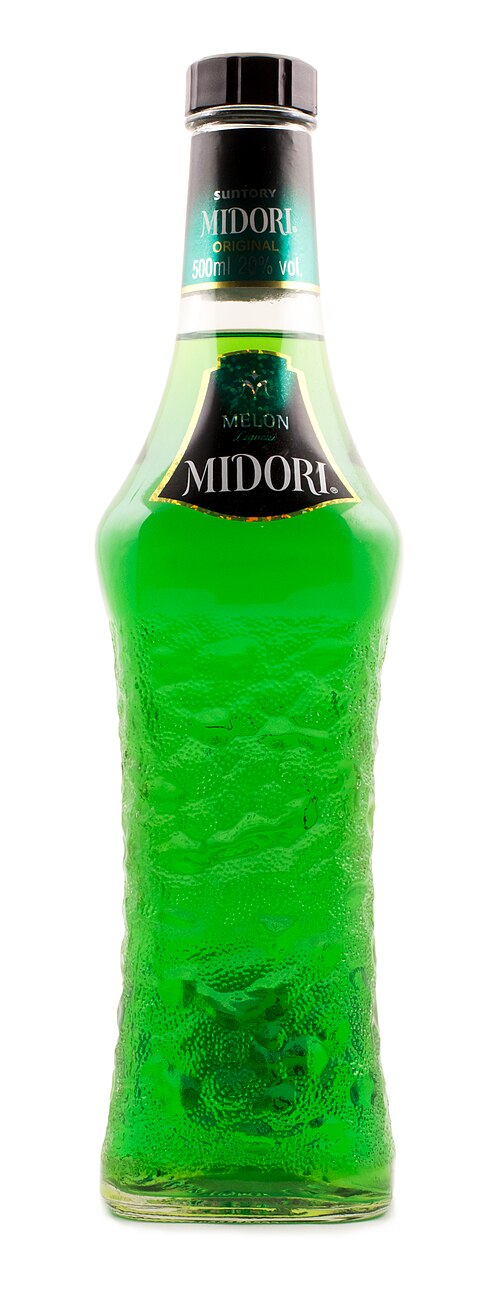
Midori Melon Liqueur
Launched at Studio 54 in New York in 1978 to instant sensation. Made from two premium Japanese muskmelons — the yubari and musk melon — steeped in neutral spirit. The vivid green color and honeydew flavor are unmistakable in a Midori Sour or Japanese Slipper.
Luxardo Maraschino
Made from Marasca cherries — fruit AND crushed stones — giving a complex bitter-almond undertone unlike any other cherry liqueur. Since 1821. Essential in Aviations, Hemingway Daiquiris, and Last Words. The wicker-wrapped bottle is a bar icon.
Aperol
Created in Padova in 1919 by the Barbieri brothers. Bitter orange, rhubarb, cinchona, and gentian at a gentle 11% ABV. The world's most popular aperitivo — the essential ingredient in the Aperol Spritz that conquered global bar culture from 2010 onwards.
Campari
68 botanicals, recipe secret since Gaspare Campari created it in 1860. The vivid red color originally came from carmine (crushed insects) — now artificial. Intensely bitter, citrus-forward. The Negroni, Boulevardier, Jungle Bird, and Americano all depend on it.
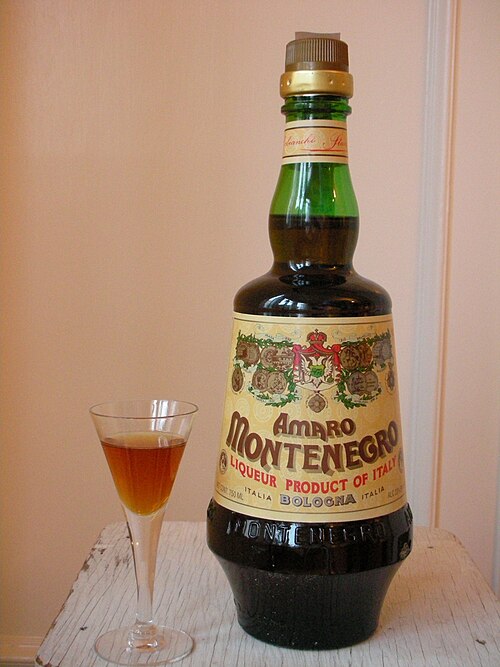
Amaro Montenegro
40 botanicals including orange peel, bergamot, coriander, vanilla, and aromatic herbs. Named for the Princess Elena of Montenegro. Perfectly balanced between bitter and sweet — described as "the bartender's handshake." Exceptional served neat at room temperature or on the rocks.
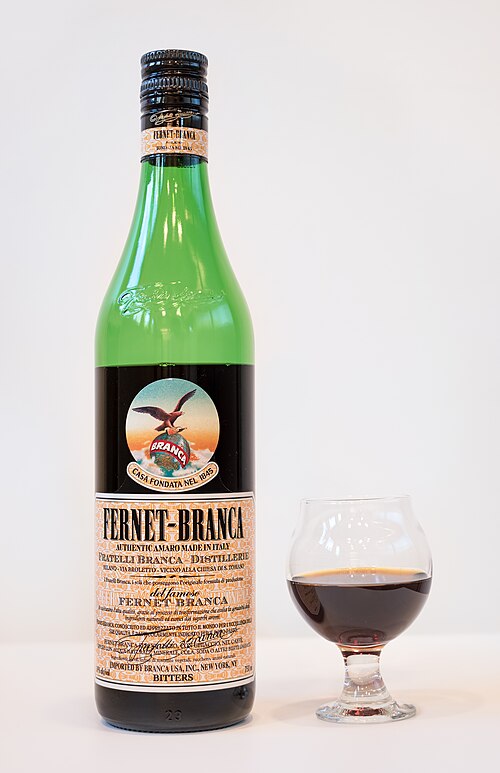
Fernet-Branca
27 herbs and spices from 4 continents including myrrh, chamomile, cardamom, aloe, and saffron, aged 12 months in oak. Intensely bitter, menthol-forward, deeply medicinal — a polarising digestif that bartenders worldwide drink as their shift-end shot. Argentina consumes 75% of global production.
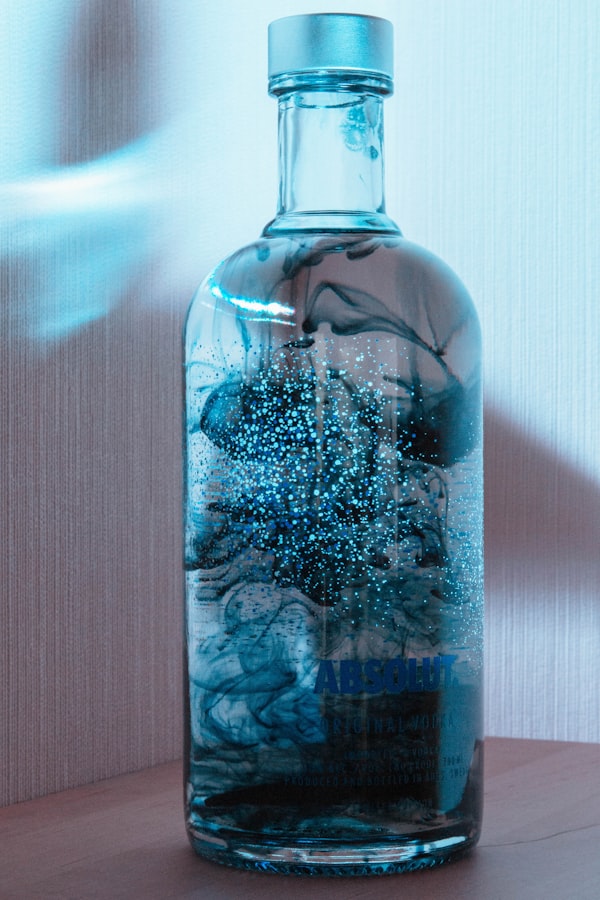
Amaro Nonino Quintessentia
A grappa-based amaro aged in barriques of Limousin oak, Acacia, and Cherry wood. Lighter and more approachable than most amari — mountain herbs, honey, citrus, and saffron. The essential ingredient in the Paper Plane cocktail alongside bourbon, Aperol, and lemon.
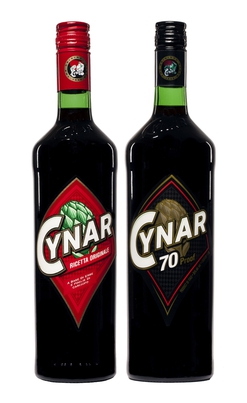
Cynar
Made with 13 herbs and vegetables, primarily artichoke (Cynara scolymus — hence the name). Despite the vegetable base, it tastes more herbal and bittersweet than vegetal. Low ABV makes it approachable. A "Cynar Spritz" — with Prosecco and soda — is Rome's favorite aperitivo.
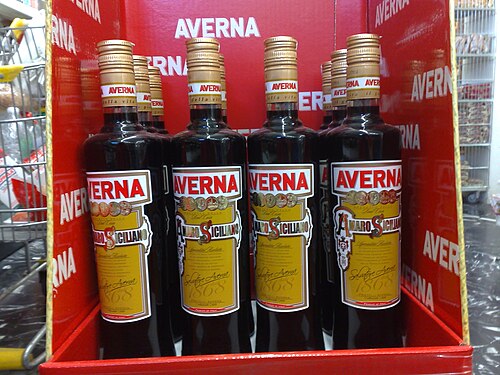
Averna Amaro Siciliano
A Sicilian amaro since 1868, made with a secret blend of herbs, roots, and citrus rinds from Sicily. Sweeter and more approachable than many amari — cola, caramel, liquorice, and a gentle bitter finish. Outstanding in a Black Manhattan (replacing sweet vermouth) or simply over ice.
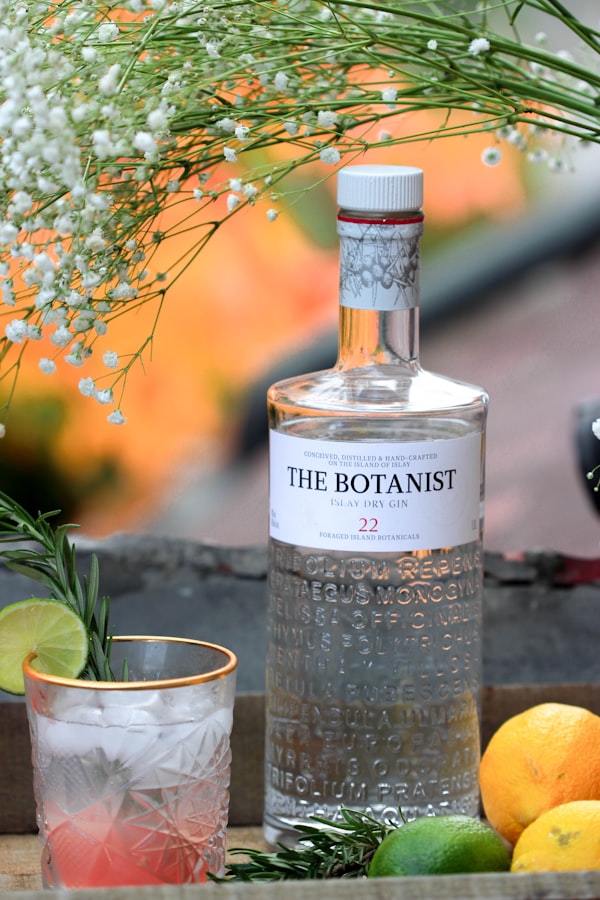
St-Germain Elderflower
Hand-picked elderflowers from the Alps, macerated within 24 hours of picking to preserve aroma. The result is extraordinarily floral — lychee, peach, grapefruit, and white floral. Nicknamed "bartender's ketchup" for how widely it's used. Outstanding in a St. Germain Spritz or as a Champagne modifier.
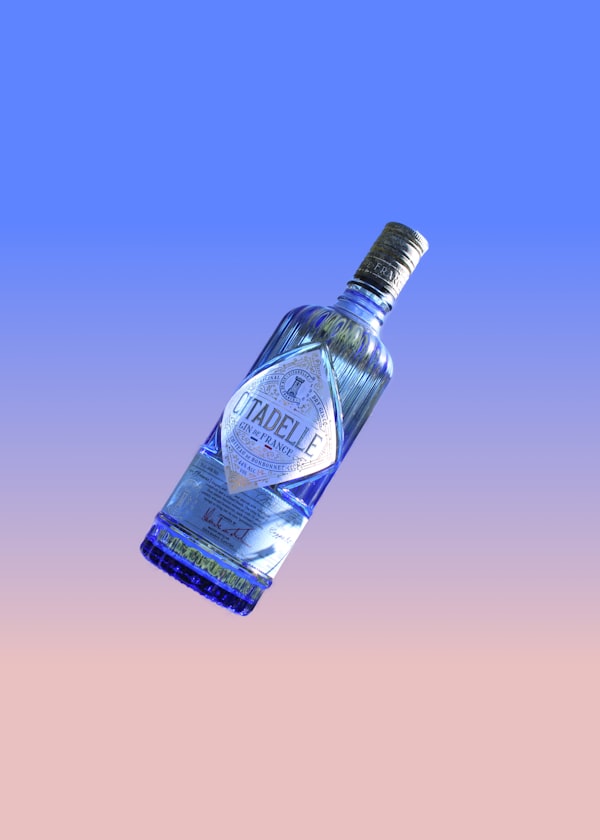
Giffard Fleur de Sureau Sauvage
Giffard's elderflower expression uses wild-harvested elderflower blossoms from the Loire Valley, giving a more rustic, pronounced floral character than St-Germain. Slightly more affordable and arguably more food-friendly. Outstanding drizzled over goat's cheese or in a Tom Collins.