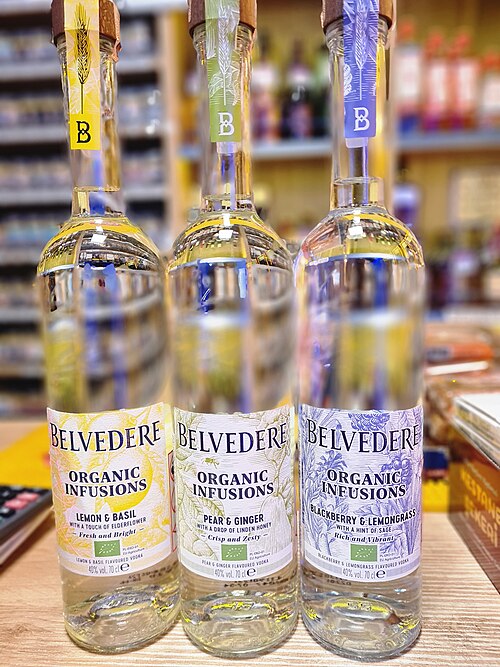
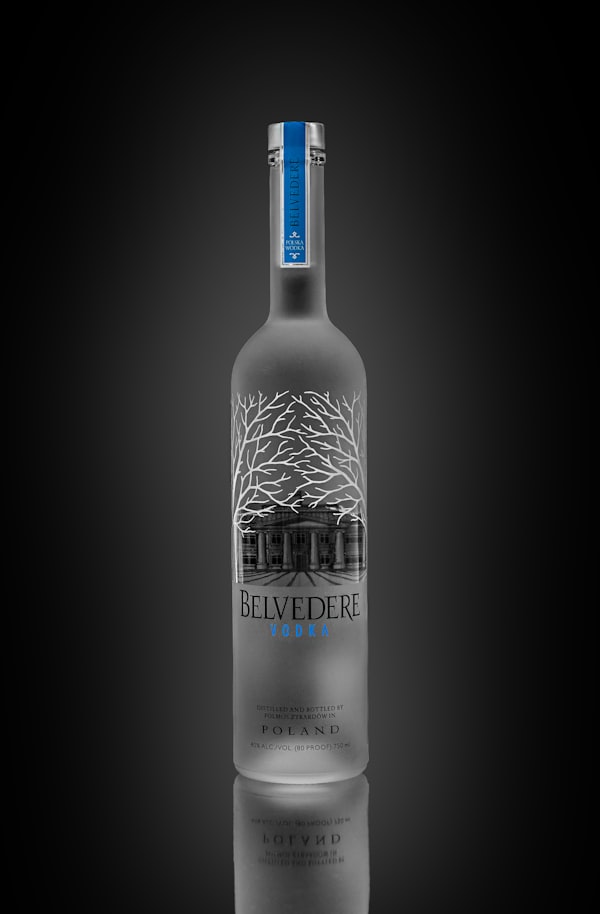
Belvedere
Poland's answer to Grey Goose — and arguably its superior. Made entirely from Dankowskie Gold rye, the same Polish rye grain that has been distilled here since 1910. Four times distilled, Belvedere has a natural, slightly sweet rye character that is immediately apparent — creamy, with a subtle vanilla note. The flagship of LVMH's spirits portfolio.
Chopin Potato
The world's benchmark potato vodka. Made from a single ingredient — Polish potatoes from local farms — distilled four times and filtered through charcoal. Potato vodka is genuinely different: richer, fuller-bodied, and creamier than grain vodkas. The mouthfeel is almost oily, and there's an earthy sweetness that grain can't replicate. Essential for understanding vodka's range.
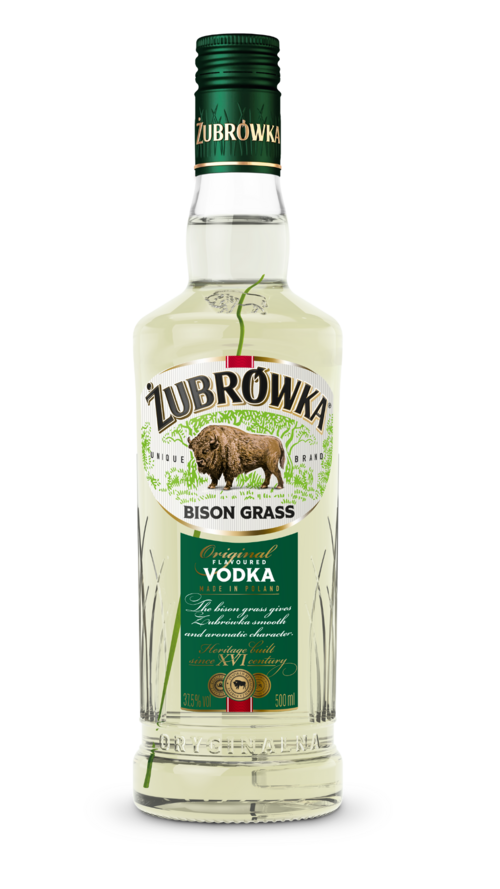
Żubrówka Bison Grass
Poland's most distinctive vodka — infused with a single blade of Hierochloe odorata bison grass from the Białowieża Forest, Europe's last primeval forest. The grass contains coumarin, giving the vodka a remarkable vanilla-almond-fresh-hay aroma. A blade is visible in every bottle. Long banned in the US due to coumarin, the American version now uses an extract.
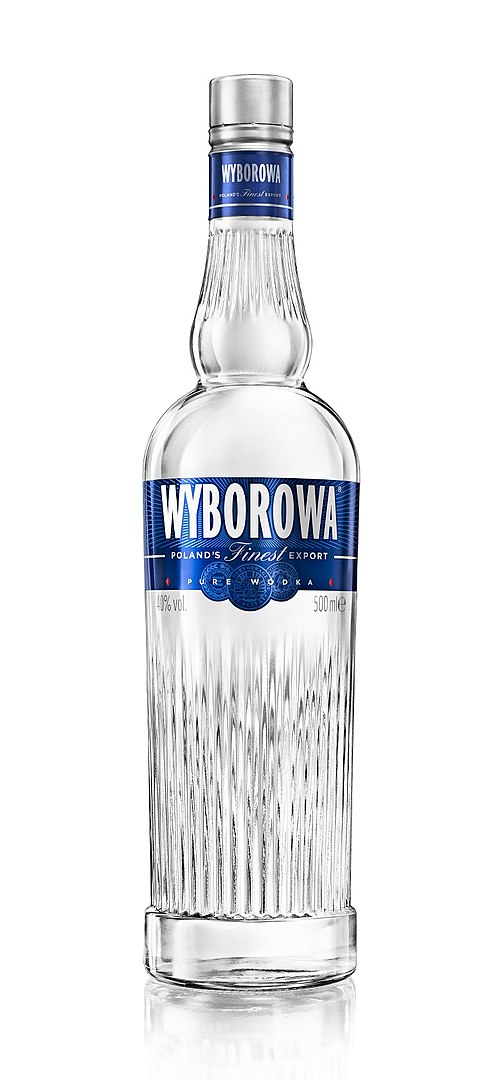
Wyborowa
Wyborowa means "exquisite" in Polish, and it holds the record as the world's longest continually produced branded vodka — in existence since 1823. A single-estate rye grown specifically for the distillery gives it a distinctive bread-dough character. Underrated by those chasing premiumisation, it remains a genuinely excellent mid-market rye with real Polish credentials.
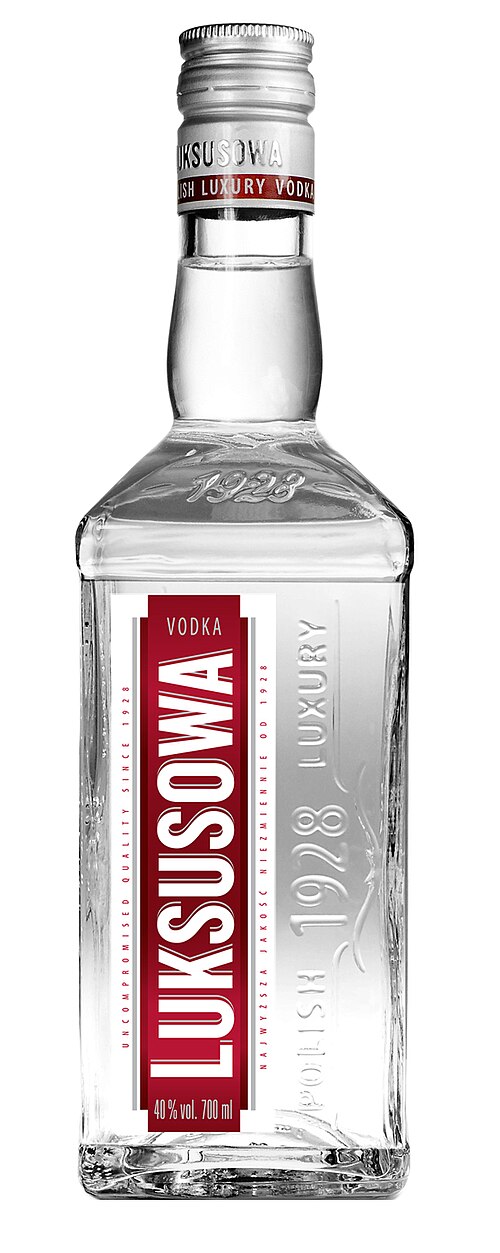
Luksusowa
The accessible entry point into Polish potato vodka. Triple-distilled from 100% potatoes, Luksusowa (meaning "luxury" in Polish) delivers a surprisingly refined potato character at a fraction of Chopin's price. Smooth, clean, and distinctly creamy — it proves that quality potato vodka doesn't require a premium outlay. A genuine bartender's secret weapon.
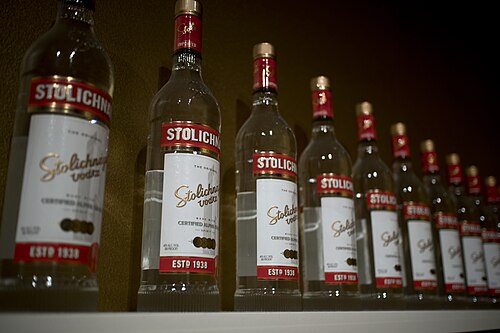
Stolichnaya (Stoli)
Originally a Soviet state brand created in 1938, Stoli now navigates a complicated ownership and origin story — the spirit is distilled in Russia and bottled in Latvia. Wheat and rye grain blend, filtered through quartz sand, birch charcoal, and woven cloth. The result is clean, slightly sweet, and unambiguously what most of the world thinks vodka should taste like.
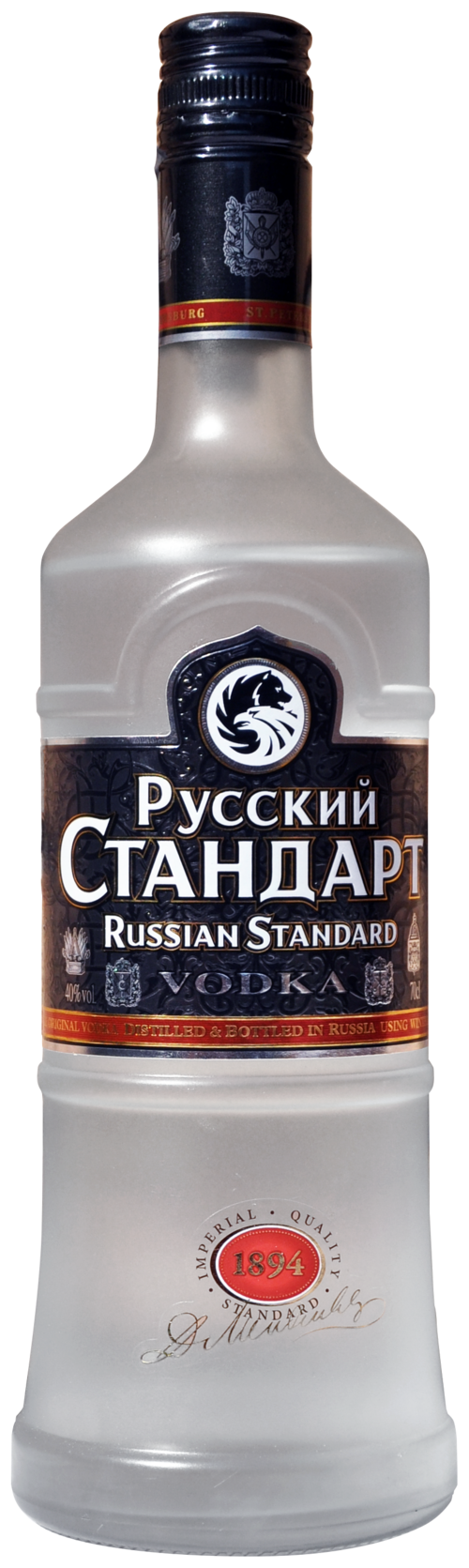
Russian Standard
The premium face of genuine Russian vodka — made using winter wheat from the steppes and water sourced from Lake Ladoga, the largest lake in Europe. Developed in 1998 by Roustam Tariko to redefine what Russian vodka could be at the premium tier. Four times distilled, softened through charcoal, and clean as Arctic air. The defining modern Russian vodka.
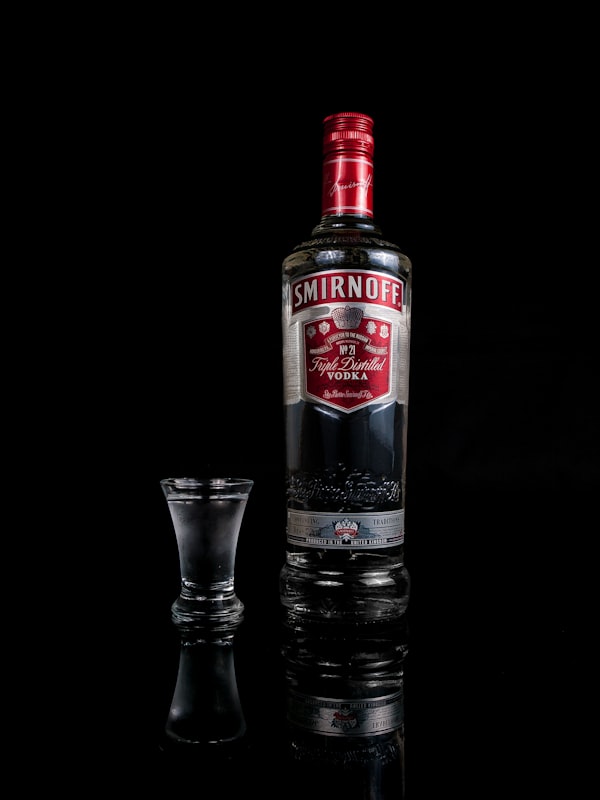
Beluga Noble
Russia's most prestigious vodka export, produced deep in Siberia at the Mariinsk Distillery. What sets Beluga apart is its rest: every batch sits for 30 days after distillation before filtration, allowing the spirit to "breathe" and develop. The result is remarkably smooth for its proof — velvety, with a hint of malt and a long, warm finish. The bottle is sealed with a wax stamp that must be broken to open it.
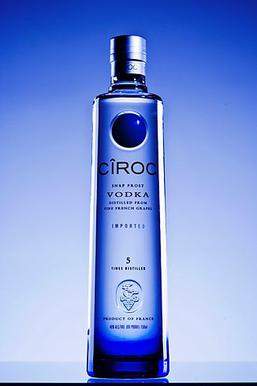
CÎROC
Technically made in France from grapes — Mauzac Blanc and Ugni Blanc — so it bridges vodka and eau-de-vie. Cold fermented at low temperatures ("snap frost") and distilled five times in Armagnac pot stills, CÎROC has a distinctive fresh, clean fruitiness no grain vodka can replicate. Made famous by Sean Combs's partnership with Diageo, but the liquid genuinely delivers something unique.
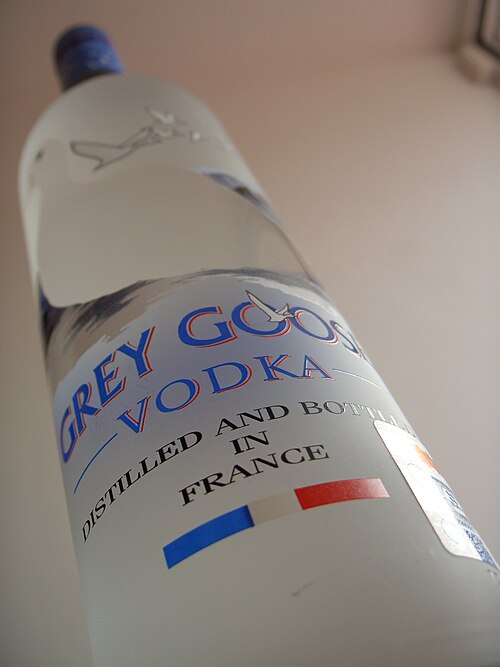
Grey Goose
Grey Goose invented the super-premium vodka category when Sidney Frank launched it in 1997 at an unheard-of price point. Made from Picardy winter wheat — the same region that grows wheat for baguettes — and spring water from Gensac-la-Pallue, it achieves an extraordinary softness. Sold to Bacardi for $2.2 billion in 2004. The brand that convinced the world vodka could be luxury.
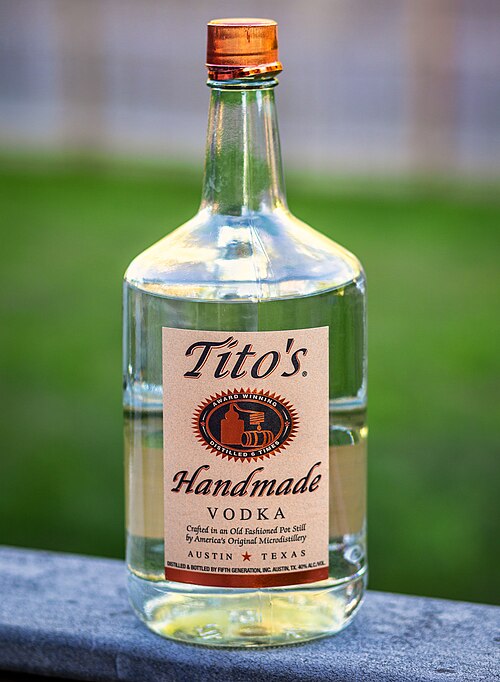
Tito's Handmade Vodka
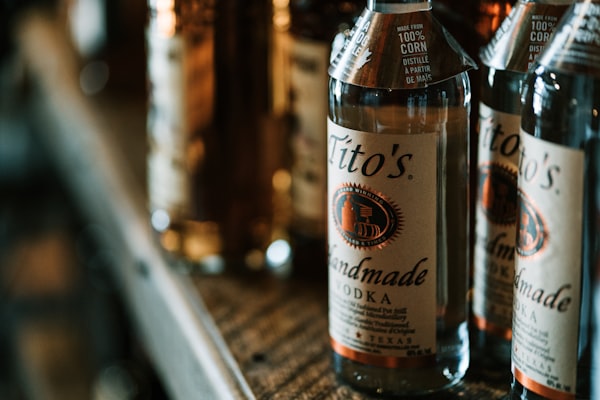
America's great vodka success story. Bert "Tito" Beveridge got the first legal distillery permit in Texas in 1997 and built his brand through sheer quality. Made from yellow corn in pot stills — unusual for vodka — distilled six times and naturally gluten-free. The pot still process retains just enough corn character to give the vodka warmth and fullness that column-distilled competitors lack.
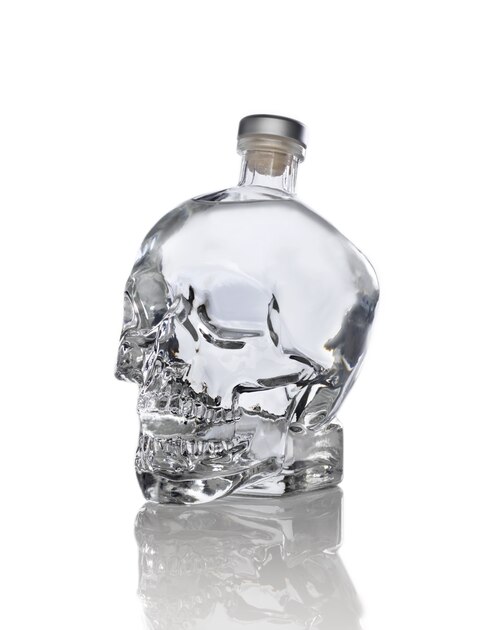
Crystal Head
Co-created by Dan Aykroyd, Crystal Head arrives in a skull-shaped bottle that is either a gimmick or a work of art depending on your perspective. The vodka inside earns more respect: made from Newfoundland corn, quadruple-distilled, then filtered seven times — three passes through Herkimer diamond crystals, a type of quartz. Additive-free and genuinely clean, it outlasts its novelty factor.
Hangar 1
Made in a genuine WWII-era aircraft hangar on Alameda Island, California. The base spirit blends column-distilled wheat vodka with pot-distilled Viognier grape spirit — a winemaker's approach to vodka. The grape component adds a subtle floral, fresh quality that purely grain vodkas lack. California wine country sensibility applied to a neutral spirit category.
St. George All Purpose
St. George was one of America's very first craft distilleries, opening in 1982 when craft spirits essentially didn't exist. Their All Purpose Vodka lives up to the name: a three-grain mash of wheat, rye, and barley gives a complex foundation that holds up in cocktails while remaining clean enough to drink straight. A distillery whose reputation rests entirely on liquid quality.
Prairie Organic
USDA Certified Organic and made from non-GMO yellow dent corn grown on family farms in Minnesota. The organic certification covers the entire supply chain — from soil to bottle. Clean, slightly sweet, with just enough corn character to remind you what it's made from. The choice for the environmentally conscious vodka drinker who doesn't want to sacrifice quality.
Absolut
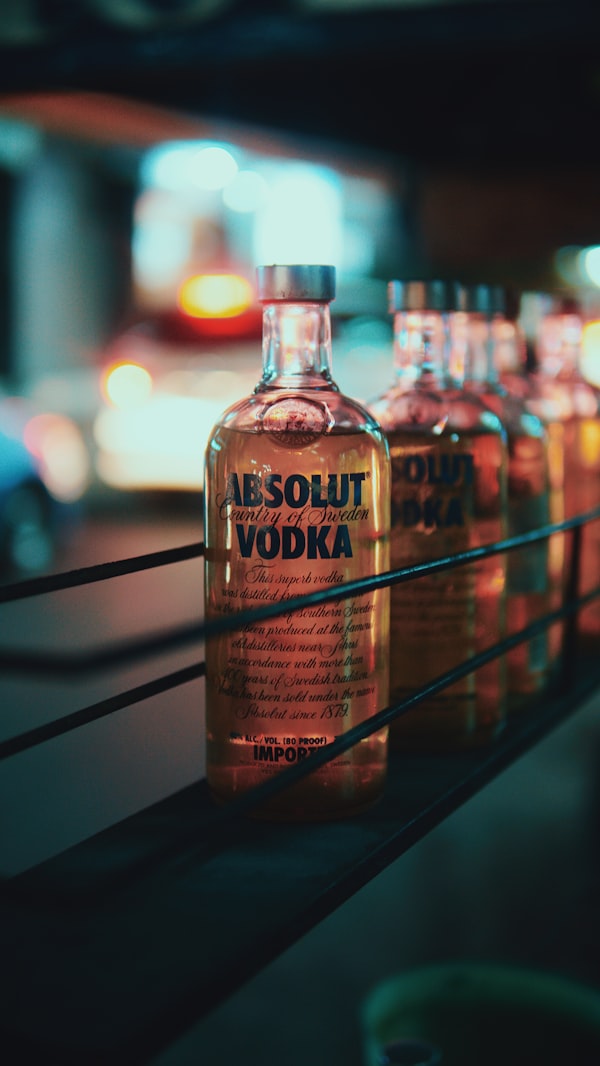
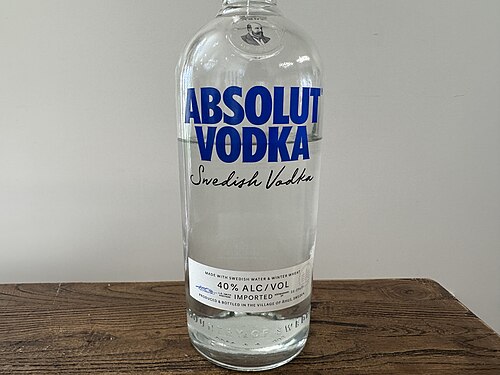
Sweden's singular contribution to the global vodka market — in production at the same small town of Åhus since 1879. Absolut uses winter wheat from local farms and deep well water, with no added sugar. Made in a continuous distillation process that retains trace amounts of grain character — it's not as neutral as its marketing suggests, and that's exactly why it works. The iconic bottle design, unchanged since 1979, became one of the most recognized packages in history.
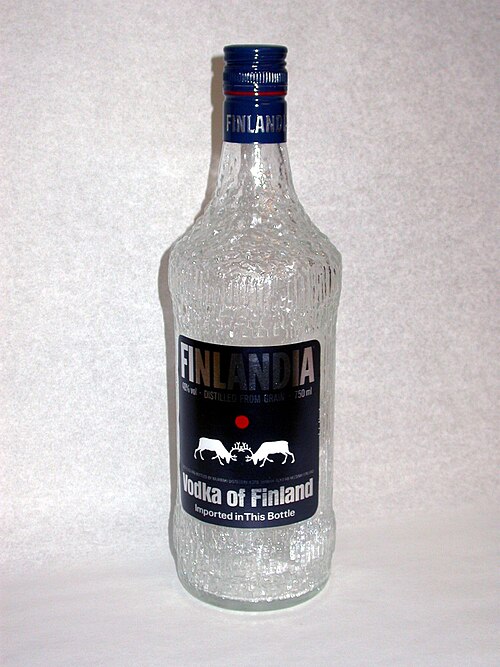
Finlandia
Finland's flagship vodka — made from six-row barley harvested from Finnish farms and water filtered through glacial moraine formations over thousands of years. The barley base gives a slightly fuller body than wheat alternatives, with a clean, faintly malty quality. Distilled using a continuous column process that emphasises purity. The quintessence of Nordic spirit-making philosophy: simplicity, nature, and clean water.
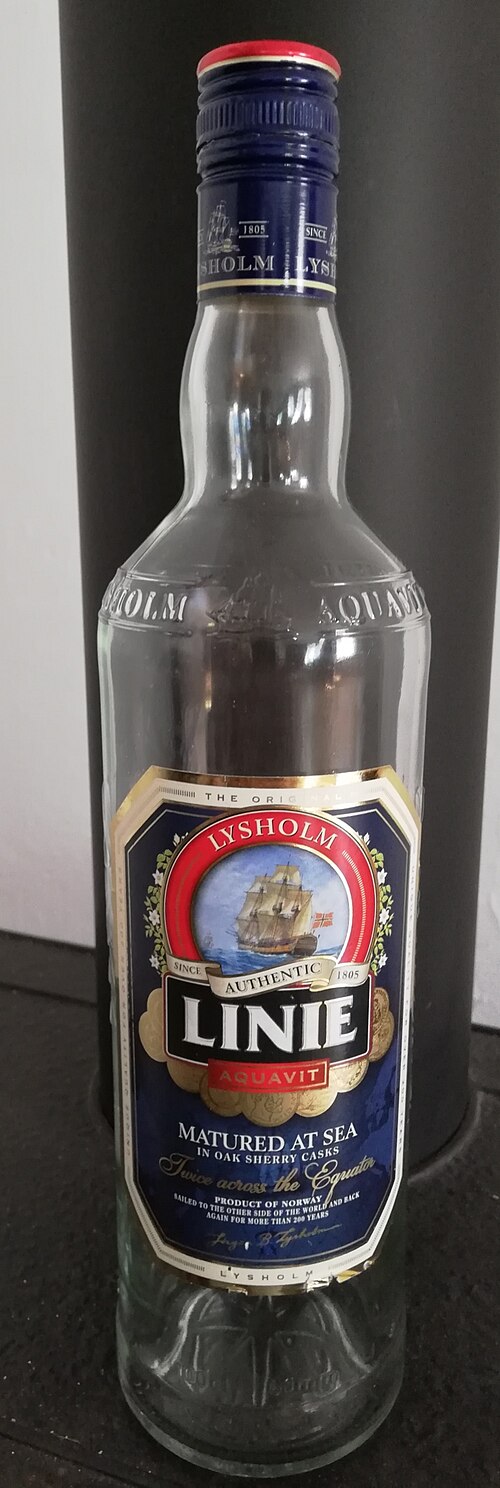
Aquavit Linie
Technically an aquavit — Scandinavia's caraway-flavored spirit — but included here as the essential Nordic spirit anyone interested in vodka's family tree should understand. Linie is aged in sherry casks that are shipped across the equator twice (the "linie" or line) because the rolling motion and temperature changes were discovered to improve the spirit. Potato-based, caraway-led, with gentle spice and sea air. Gateway to Nordic drinking culture.
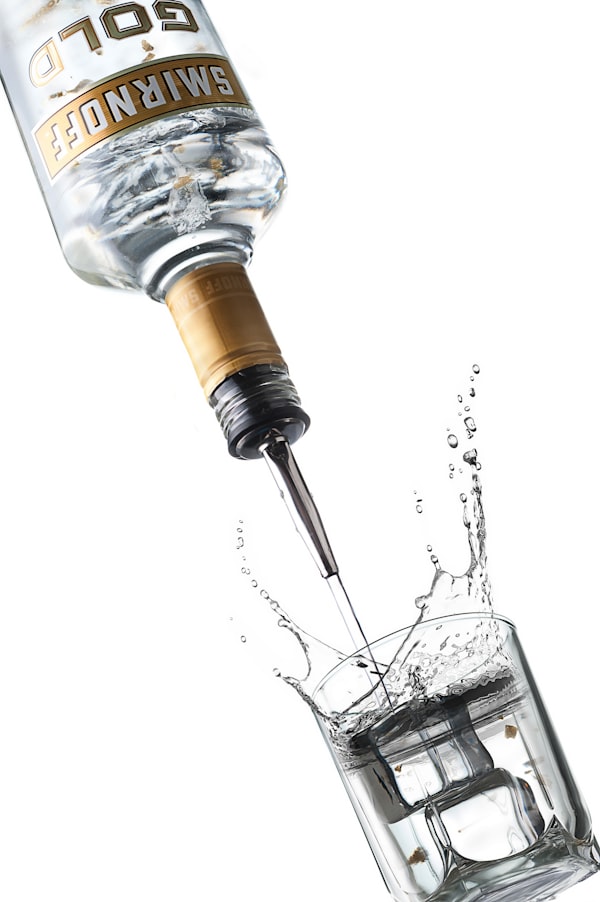
Ketel One
From the same Nolet family that makes Nolet's Silver Gin — eleven generations of Dutch distilling going back to 1691. Ketel One is a blend: wheat spirit distilled in a traditional copper pot still (the Distilleerketel #1 that gives the brand its name) combined with column-distilled wheat spirit. The result balances traditional character with modern clarity. Among the world's most cocktail-friendly vodkas.
Reyka
Iceland's sole vodka distillery, powered entirely by geothermal energy and using water from an Arctic spring that passes through 4,000-year-old lava rock formations — one of the world's purest natural filtration systems. The Carter-Head still is one of only a handful in the world. Filtered through lava rock rather than charcoal. Arctic-clean, with exceptional softness and a mineral freshness that is unmistakably Icelandic.
Haku
Haku means "white" in Japanese — a reference to the 100% Japanese white rice that forms the entire mash. Fermented and distilled through a traditional Japanese ceramic pot still, then filtered through bamboo charcoal. The rice base gives a distinctly different character: subtly sweet, with a soft, almost silk-like texture and a delicate floral note. Japanese craftsmanship applied to a universal category.
Chase English Potato Vodka
The most genuinely farm-to-bottle vodka in the world: William Chase grows Lady Claire and Lady Rosetta potatoes on his Herefordshire farm, washes and ferments them on-site, then distills using a custom-built copper pot still. Every step from soil to glass happens on the same estate. The result is a rich, creamy potato vodka with real provenance — awarded best vodka in the world at the San Francisco World Spirits Competition in 2010.