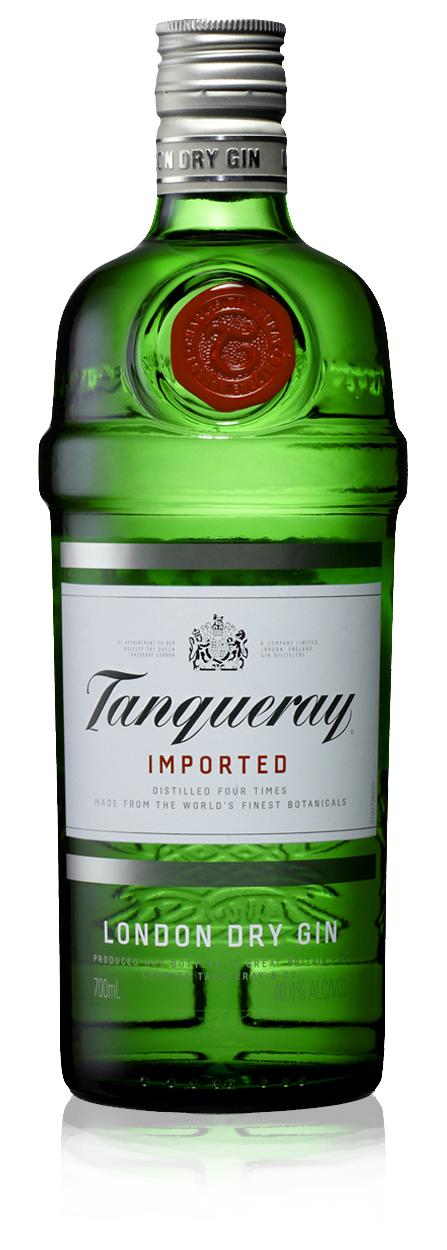
Tanqueray No. Ten
Made in Tiny Ten, a small pot still, with fresh whole citrus fruit and chamomile added on every run. The result is intensely citrus-forward yet impeccably balanced — the gold standard for a gin Martini. Only the heads of a larger distillation are used, ensuring aromatic intensity.
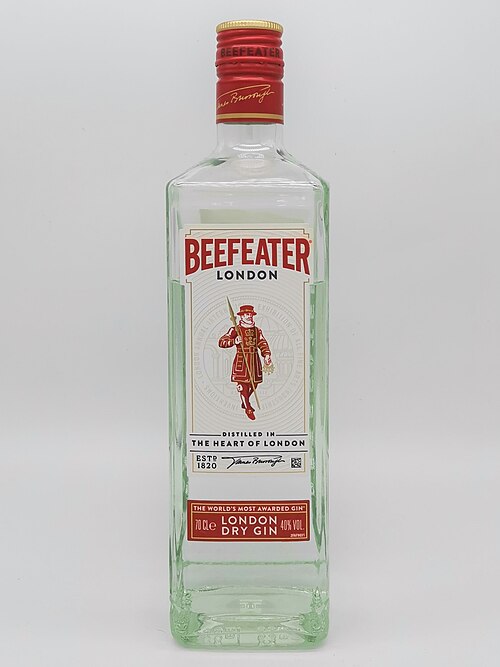
Beefeater London Dry
The definitive London Dry. Distilled at the same London site since 1958, Beefeater is the last major gin brand still made within London. Nine botanicals are steeped for 24 hours before distillation — a process master distiller Desmond Payne has overseen for decades. Juniper-forward, clean, and irreplaceable.
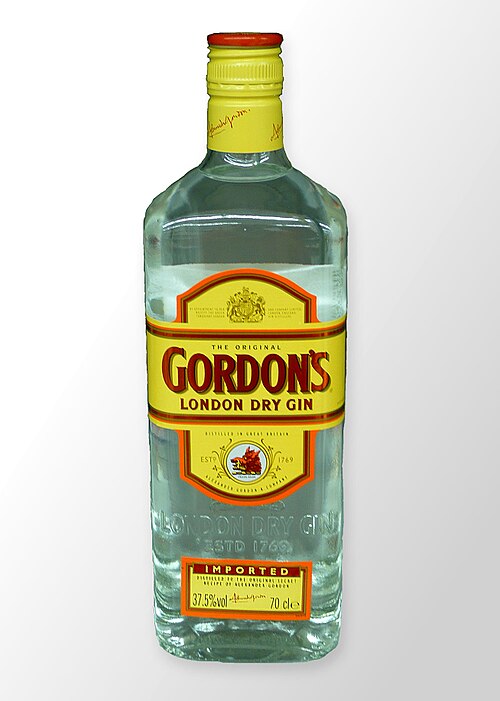
Gordon's London Dry
The world's best-selling gin by volume — an accolade earned by consistency over two centuries. Alexander Gordon founded his distillery in 1769. The formula is clean and approachable: pure juniper with citrus and coriander sitting behind it. The low ABV makes it ideal for long cocktails and highballs.

Sipsmith London Dry
Sipsmith single-handedly revived the London craft distilling scene in 2009, becoming the first new copper pot still distillery in the city in nearly 200 years. Their flagship is textbook London Dry done with obsessive quality — bold juniper, bright citrus zest, and a smooth, long finish. Named their still Prudence.
Hayman's London Dry
A family distillery tracing its lineage directly to James Burrough — the man who bought Beefeater in 1863. The Hayman family are custodians of some of England's oldest gin recipes. Their London Dry is 10 botanicals steeped for a full day before distillation: floral, fresh, and effortlessly smooth.
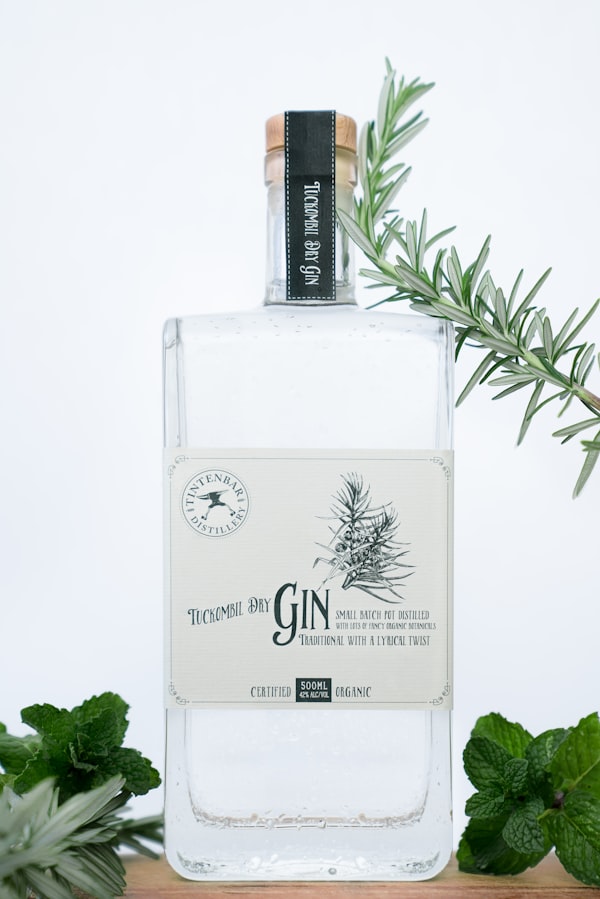
Fords Gin
Designed from the ground up by bartenders, for bartenders. The 86 Company worked with Simon Ford and eight global bartenders to create a gin that excels specifically in cocktails. Nine botanicals at 45% ABV means enough backbone to survive dilution without dominating. Balanced, professional, and remarkably versatile.
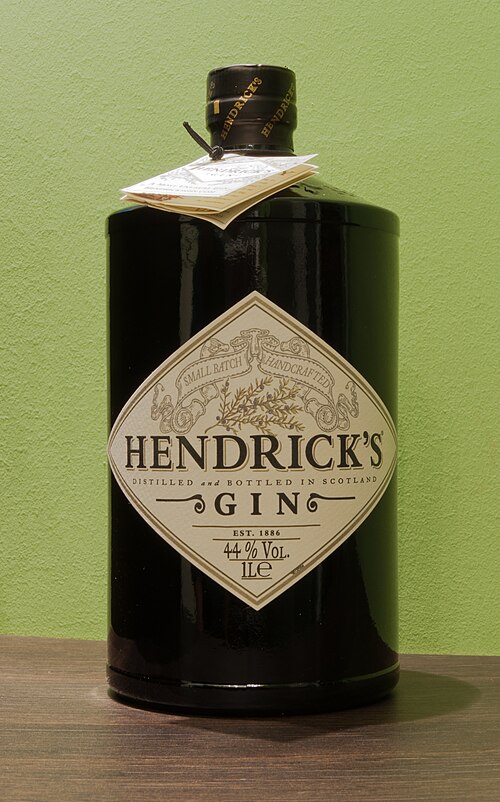
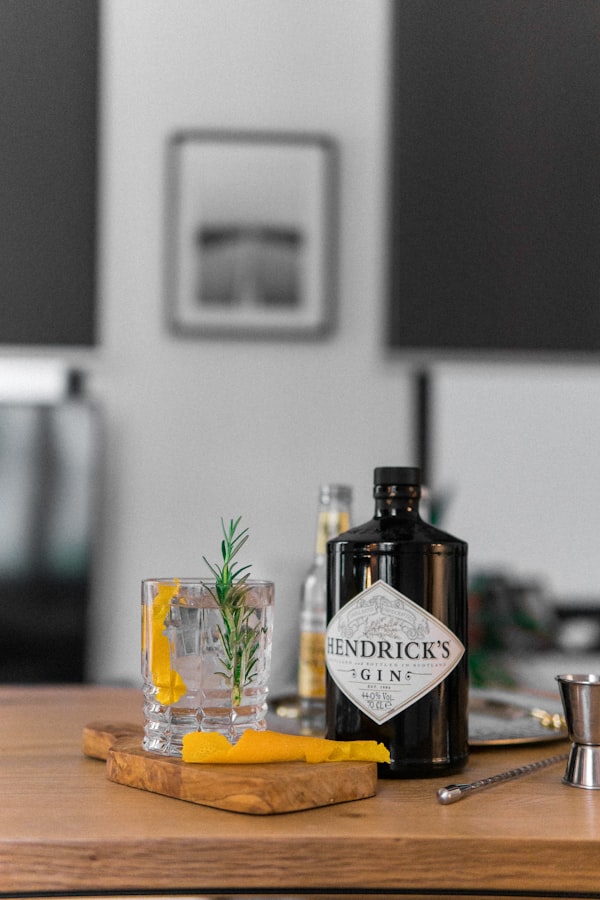
Hendrick's Gin
Distilled with rose petals and cucumber — a radical departure from London Dry convention. Two stills are used: a Victorian Bennett pot still and a Carterhead, each producing a different spirit that is then blended. The result is floral, cooling, and uniquely refreshing. Serve over ice with cucumber, not lemon.
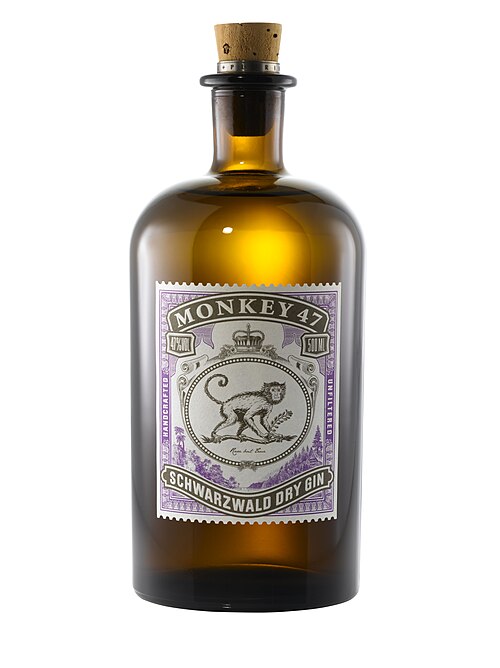
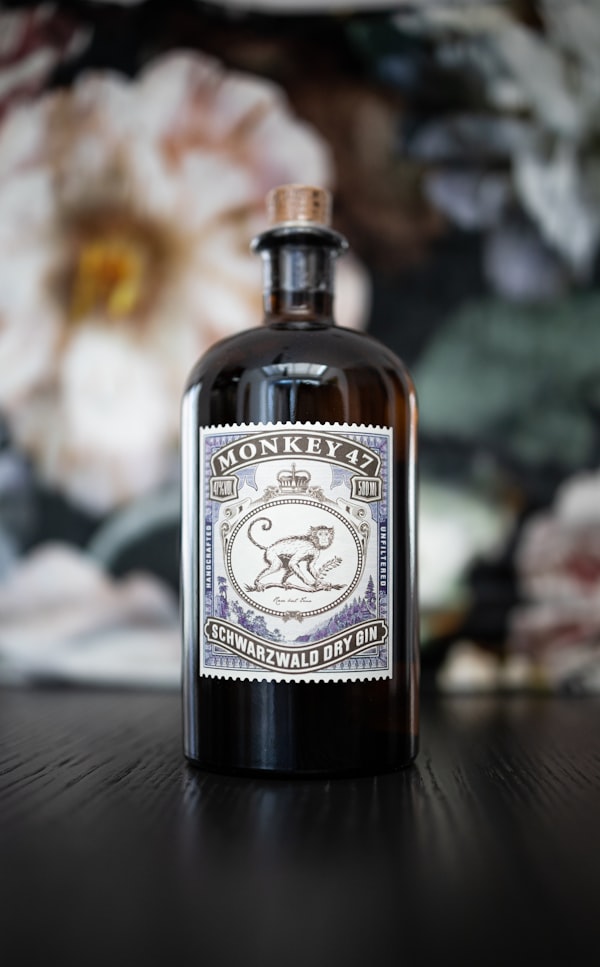
Monkey 47
A masterpiece of botanical complexity: 47 botanicals including wild Black Forest herbs, cranberries, and lingonberries, all macerated in molasses spirit and distilled in small batches. The name references both the 47 botanicals and the 47% ABV. No other gin on the market achieves this density of aromatic layering.
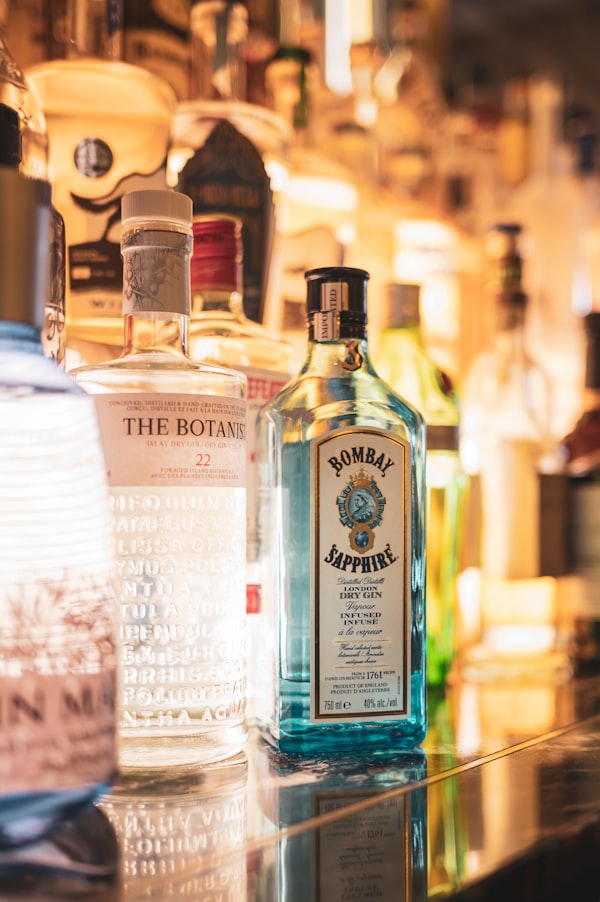
The Botanist Islay Dry Gin
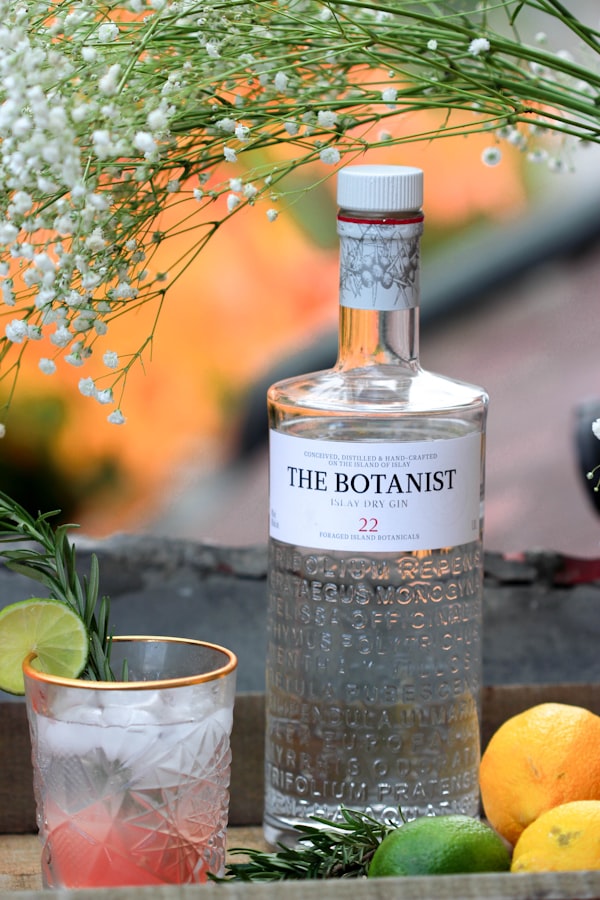
Made at the famous Bruichladdich whisky distillery using 22 hand-foraged wild Islay botanicals — each individually listed on the back label. Distilled in an Ugly Betty pot still, a Lomond still that coaxes out extraordinary complexity. Wild thyme, Scots lovage, wood sage, and creeping thistle feature prominently. Island character at its finest.
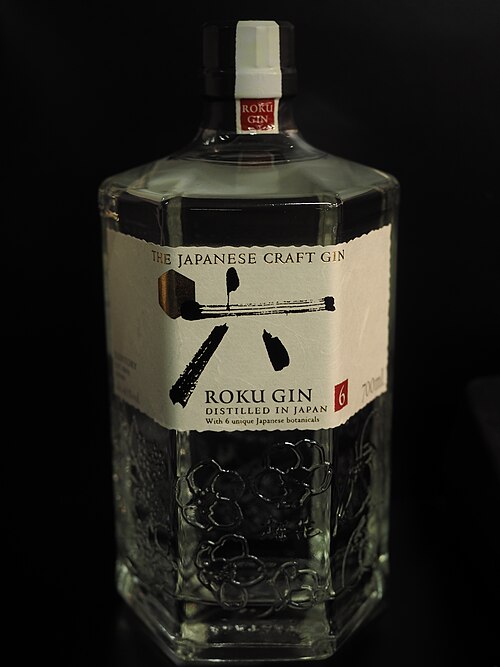
Roku Gin
Roku means six in Japanese — the number of unique Japanese botanicals layered over a base of eight traditional gin botanicals. Sakura flower, sakura leaf, yuzu peel, sencha tea, gyokuro tea, and sanshō pepper each bring something no European gin can offer. Delicate, precise, and distinctly Japanese in character.
Malfy Con Limone
Italian gin built around Amalfi Coast IGP lemon peel — among the most prized citrus on earth. The grano spirit base (Italian wheat grain) gives a creamy sweetness that offsets the vibrant lemon oil. Mediterranean juniper, coriander, and angelica complete the picture. Impossibly refreshing in a G&T or Spritz.
Caorunn
Caorunn (pronounced ka-roon) is Scottish Gaelic for rowan berry — the ingredient that defines this gin. Made in a rare copper berry chamber at one of the Highlands' oldest distilleries, five Celtic botanicals are added to a classic juniper base: rowan berry, heather, coul blush apple, bog myrtle, and dandelion leaf.
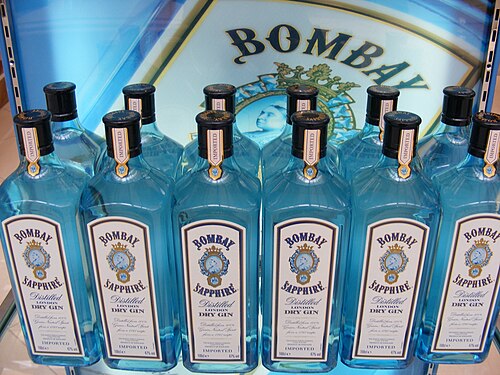
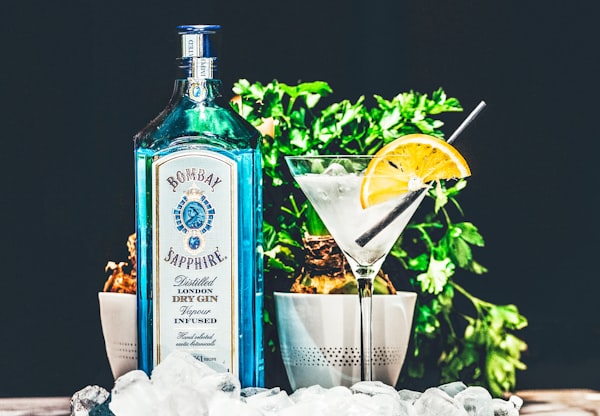
Bombay Sapphire
The gin that shifted the entire category upmarket in the 1980s. Ten botanicals are not boiled but vapour-infused using the Carterhead still method — neutral spirit vapour passes through baskets of botanicals, extracting delicate aromas without harsh extraction. Light, floral, and accessible. Made at Thomas Burberry's former paper mill.
Aviation American Gin
The first American gin to take on the British establishment at their own game. Lavender, sarsaparilla, and anise seed alongside juniper make this undeniably gin while tasting unmistakably American — floral, dry, and slightly exotic. Now famously co-owned by Ryan Reynolds, but the liquid earned its reputation before the celebrity.
Nolet's Silver
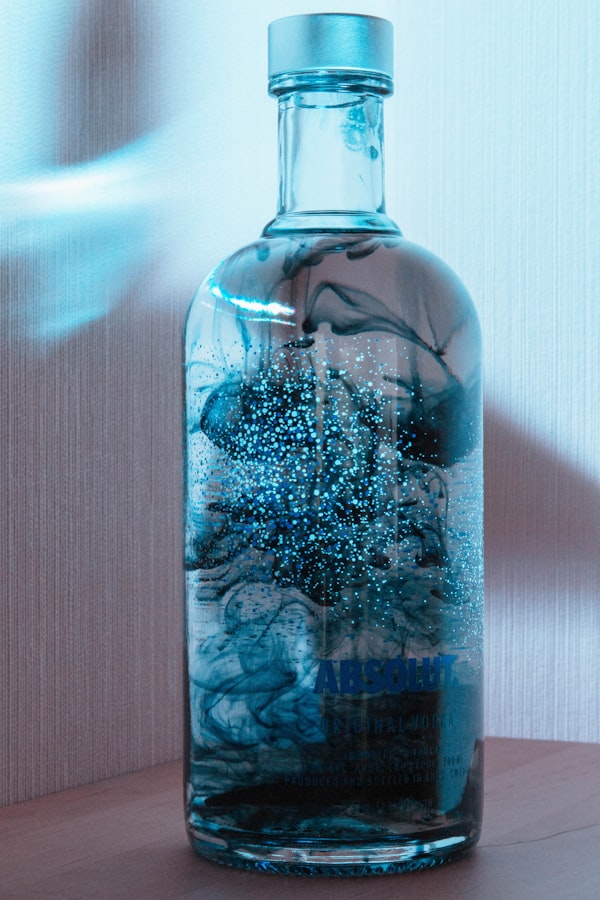
From the same Nolet family that makes Ketel One Vodka — 11 generations of Dutch distilling heritage. Nolet's Silver is intensely floral: peach, raspberry, and Turkish rose dominate. Some gin purists resist its sweetness, but it's crafted with exceptional skill. High ABV ensures presence in any cocktail it enters.
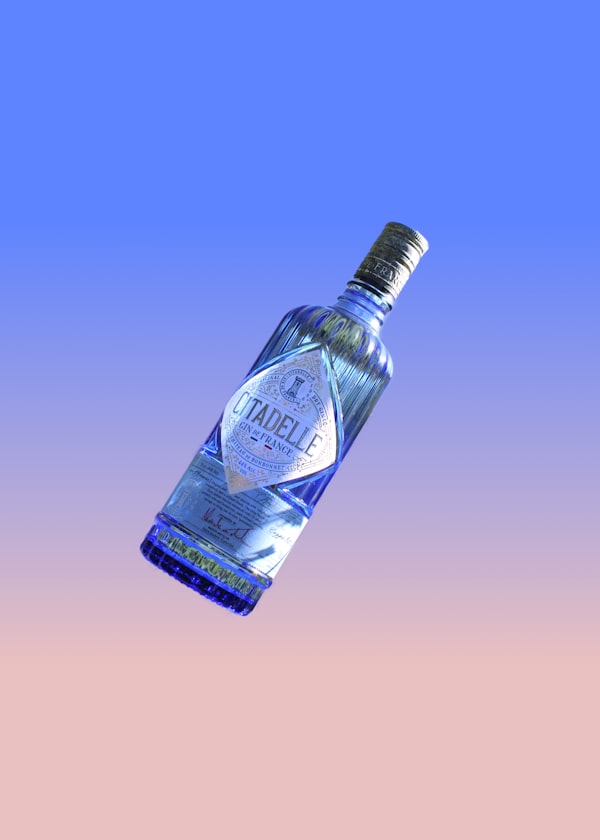
Citadelle Gin
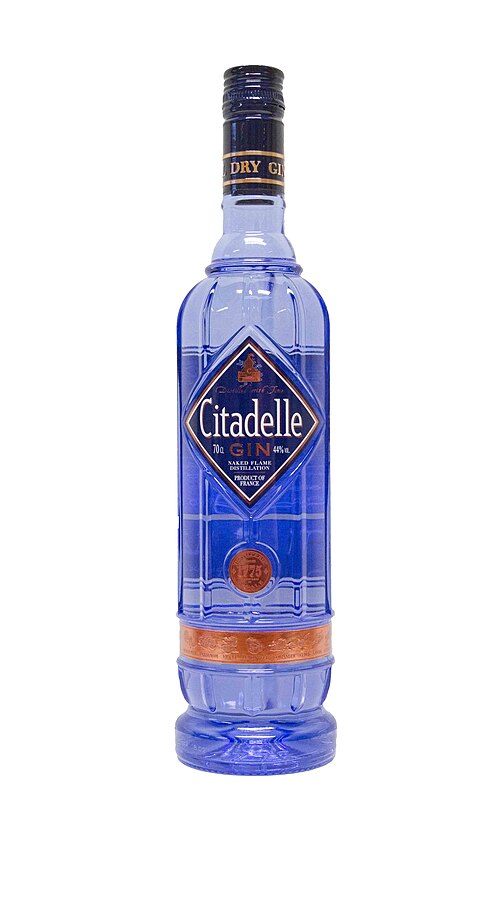
Made in Cognac pot stills between the Cognac harvest seasons when the stills would otherwise sit idle — a clever and historically authentic solution. Nineteen botanicals including French-sourced cubeb berries, grains of paradise, and violette give Citadelle an approachable complexity. A gateway gin for the discerning spirits drinker.
Sipsmith VJOP
VJOP: Very Junipery Over Proof. Sipsmith triple-charges the still with dried juniper to deliver the most boldly juniper-forward gin in their range at full navy strength. At 57.7% it hits gunpowder proof — the historical test of naval gin purity. Best in a Negroni where it stands up to sweet vermouth and Campari with authority.
Plymouth Navy Strength
Plymouth is England's oldest working distillery, with records going back to 1793. Officers of the Royal Navy would depart from Plymouth docks, and their gin was rationed at this precise strength. The Plymouth style is softer and earthier than London Dry — the navy strength version preserves that character at full, historical potency.
Perry's Tot
Named after Commodore Matthew C. Perry of the US Navy, this Brooklyn-made gin reimagines the navy strength category through an American lens. Fresh orange peel, juniper, and cardamom at 57% — the gunpowder-proof ABV where British naval tradition insisted gin should be stored. Robust enough for complex cocktails, smooth enough to sip neat.
Hayman's Old Tom
Old Tom is the missing link between Dutch Genever and London Dry — lightly sweetened, richer, and more malty. This style was ubiquitous in Victorian bars but nearly vanished in the 20th century. Hayman's revived it using a genuine 19th-century family recipe. Essential for historically accurate Tom Collins, Martinez, and Ramos Gin Fizz cocktails.
Amázzoni Gin
Brazil's breakthrough gin, built around Amazonian botanical ingredients that Europeans simply cannot source. Pink pepper from the Amazon basin, tucumã tropical fruit, and cipó-cravo bark sit alongside juniper and coriander. The sugarcane spirit base adds a subtle sweetness that's distinctly South American. A gin that couldn't exist anywhere else on earth.
Procera Blue Dot
One of the most provocative gins in the world: made with only one botanical — Juniperus procera, the East African or Pencil Cedar juniper, sustainably harvested from the forests of the Kenyan highlands. No other botanicals are used. The result is a pure expression of a completely different juniper species — resinous, woody, and ancient. A category-defining bottle.